Cardiologia Croatica
Istraživački asistent časopisa
Istraživački asistent časopisa
Istraživački asistent časopisa
Istraživački asistent časopisa
Marina Budetić, Ivica Benko, Mateja Lovrić, Mirela Adamović, Marina Žanić, Marija Grlić, Mario Tomašević, Ivan Horvat, Šime Manola, Nikola Pavlović
Severe tricuspid regurgitation (TR) is often associated with significant morbidity and mortality. It is a relatively common valvular disease, which can be the result of structural abnormalities of any anatomical part of the tricuspid valve. Severe TR is associated with congestive heart failure and hemodynamic impairment, resulting in high mortality when repaired by elective surgery. Given the clinical importance of severe symptomatic TR, significant efforts are being made to establish several effective transcatheter solutions that would avoid the need for high-risk tricuspid valve surgery. If left untreated, patients with severe TR face a poor prognosis. Percutaneous transcatheter therapeutic procedures have expanded the treatment options for patients with heart valve disease. Percutaneous interventional therapy for aortic, mitral, and pulmonary valve diseases is well established; however, catheter-based approaches to tricuspid regurgitation (TR) are still in the early stages of development. Transcatheter tricuspid valve intervention has recently emerged as a viable alternative to surgery for patients with symptomatic severe tricuspid regurgitation. Although usually performed on a compassionate basis, expansion of its use as an elective option in patients with severe atrial functional tricuspid regurgitation is now being investigated. Caval valve implantation (CAVI) can reduce venous regurgitation and improve right heart hemodynamics. TricValve is a transcatheter system of 2 self-expanding valves made of bovine pericardial tissue mounted on nitinol stents intended for placement in the superior and inferior vena cava. Initial studies showed an increase in the quality of life, a decrease in the number of hospitalizations and the absence of signs of perforation or structural damage of valvular stents after 6 months of follow-up in patients with symptomatic functional TR. (1-4) We are pleased to report the inaugural utilization of the TricValve system in Croatia, as applied to a 66-year-old patient who had experienced recurrent hospital admissions due to severe TR and accompanying symptoms of right-sided heart failure, including edema and ascites. We also aim to highlight the unique aspects and complexities of the nurses role in the implementation of this novel heart failure treatment technology.
Ivica Benko, Branka Andruza, Dragica Jurić, Petra Čavužić, Maja Varga, Inga Osrećak, Marina Žanić, Senka Pejković
Twenty-four-hour ECG Holter monitoring is a vital diagnostic tool in cardiology, providing continuous electrocardiographic data over an extended period. Traditionally, ECG Holter analysis has been the purview of cardiologists and specialized technicians. However, the evolving landscape of healthcare delivery has seen nurses taking on an increasingly active role in this domain. The inclusion of nurses in ECG Holter analysis brings several benefits to cardiovascular care. Nurses, with their clinical expertise and patient-centered approach, are well-positioned to ensure high-quality data collection, patient comfort, and compliance during the monitoring period. They can promptly identify and report abnormal findings, facilitating timely interventions and reducing the burden on cardiologists and technicians. Moreover, nurse-led ECG Holter analysis promotes continuity of care and patient education, fostering a holistic approach to cardiovascular health. Integrating nurses into ECG Holter analysis teams offers several advantages, including enhanced efficiency, reduced wait times, and improved patient satisfaction. It also allows cardiologists to focus on more complex cases, streamlining healthcare services and potentially reducing costs. However, adequate training and ongoing education are crucial to ensure nurses’ competence in ECG Holter analysis. (1, 2) Nurse-led ECG Holter analysis is a promising advancement in cardiovascular care. It optimizes the use of resources, promotes early detection of arrhythmias and other cardiac abnormalities, and contributes to a patient-centered approach to managing cardiovascular health. Future research should explore the outcomes and cost-effectiveness of this evolving practice to further validate its role in contemporary cardiology.
Ivica Benko, Marina Budetić, Mateja Lovrić, Mirela Adamović, Marina Žanić, Marija Grlić, Mario Tomašević, Ivan Horvat, Ivan Zeljković, Nikola Pavlović
**Introduction**: Due to radiation exposure and other uncertain risks for both mother and fetus, the implantation of a permanent pacemaker during pregnancy is still a controversial topic. (1-3) **Case report**: We report a case of successful management of a 30-year-old pregnant woman, at 20th week of gestation, with intermittent total AV block and consequent 20 seconds of asystolic pause and syncope. The patient was transferred to the electrophysiology laboratory and a fluoroless implantation of the permanent single-chamber pacemaker was performed, guided by intracardiac echocardiography (ICE) (Vivid q®, GE Healthcare, USA) and three-dimensional (3D) electroanatomical mapping system (CARTO®3, Biosense Webster (BW), USA). A femoral approach was made for ICE and a decapolar 3D mapping catheter (DecaNav®, BW, USA), and a cephalic vein cut dawn was performed to insert pacemaker lead avoiding complications, mainly pneumothorax. The mapping catheter was used to create a 3D anatomical geometry of the right heart with the superior and inferior vena cava. Thanks to the special custom-made cable previously described by Kuhne and the FamDx® module (BW, USA), the permanent electrode was successfully visualized and positioned at the right ventricular apex. Localization, stability, and adequate slack were further confirmed using ICE. No complications occurred during the procedure and the patient was discharged with a programmed backup pacing at a lower rate of 40 ppm and the possibility to explant the pacing device after childbirth and possible restoration of AV conduction.
Marko Gatarić, Lea Saftić, Katarina Matković, Nikica Prpić, Ivan Šragalj
Aortic disease is the most common form of heart valve disease in developed countries, affecting 3% of the world’s population over the age of 65. The standard method of treating a symptomatic patient is surgical replacement of the valve. In patients with a high risk for surgery, the valve is implanted in a minimally invasive way, with transcatheter approach. (1, 2) This paper will present the success of treating aortic valve disease using the transcatheter method. Due to possibility of implantation via both transapical and transfemoral approaches, the patients featured in this study received valves manufactured by Edwards Lifesciences. We will also present the tasks of the nurse in preparing the patient, the operating room, and the valve itself. The obtained results of this research led to the conclusion that, apart from the duration of hospitalization, there was no statistically significant difference between the transcatheter aortic valve implantation (TAVI) procedure performed with transfemoral approach versus transapical approach at University Hospital Centre Rijeka. The duration of hospitalization in average is significantly shorter in patients who underwent TAVI procedure with transfemoral approach. The condition of the patients according to the New York Heart Association Classification significantly improved in both groups, there was no difference between the groups.
Martina Dušak, Lucija Rožić
Palliative care is an approach whose aim is to help improve the quality of life of patients and their families who are faced with problems related to a life-threatening illness as well as prevention and relief of their suffering through early recognition and suppression of pain and identification of other problems, including physical, psychosocial, and spiritual issues. Palliative care uses a team approach to alleviate suffering through early identification, proper assessment, treatment and taking care of the patient’s needs whether at home or in an institution (1). Important and indispensable item in palliative care is communication. Good communication improves patient care, makes patient feel comforted and satisfied with health care, acts as a therapy, and provides a better working atmosphere among care providers. Communication in palliative care requires broad knowledge, competences, and skills in the specifics of everyday work, though frequent obstacles in the provision of palliative care, among others, are lack of training and awareness of palliative care among healthcare professionals (2). Family members expect from doctors and nurses to help them learn what to expect when their loved one is dying. Regardless of the causes, there is a common final path that most patients go through. The needs of dying patients and their loved ones are very complex and at the same time very individual. The four main domains of needs of a person at the end of life are: physical, emotional, social, and spiritual. For this reason, palliative care is provided by interdisciplinary teams of experts and volunteers, striving for this care to be based on individual needs and personal choice, and to provide the patient with pain relief, dignity, peace, and stability at the end of life (3). Among the most common challenges in palliative medicine is selecting a method of communicating bad news, which includes the verbal and non-verbal component of those who deliver the news, recognizing and responding to the patient’s emotions, involving the patient in decision-making process, and finding ways to inspire hope and provide support (4).
Ante Borovina, Igor Visković
**Introduction:** Recurrent syncope episodes associated with cardioinhibitory responses during vagal stimulation pose a challenge for diagnosis and therapy. This case report provides a detailed description of the successful application of cardioneuroablation (CNA) using radiofrequency ablation (RFA) to prevent recurrent symptomatic episodes in a patient with a history of recurrent syncope. (1-3) The procedure involved inducing vagal reflexes and sinus bradycardia using pulse field ablation (PFA) technology before RFA application. **Case report:** The patient initially had a sinus rhythm of approximately 75 beats per minute (BPM). The standard left atrial (LA) access procedure for ablation in the LA was performed, creating a 3D anatomical map of the left atrium and pulmonary vein ostia using mapping system. Subsequently, an irrigated ablation catheter was introduced into the left atrium. First, focal PFA (25A/30 pulses) was applied to the anterosuperior aspect of the right superior pulmonary vein ostium to induce vagal reflexes and provoke sinus bradycardia. Vagal reflexes and sinus bradycardia were induced using PFA technology. Following this, RFA with a targeted ablation index (ABI) up to 550 was applied in the described segment, progressing more ostial and antral towards the interatrial septum. During RFA, the sinus rate increased to approximately 85 BPM, reducing vagal response during focal PFA at the same position. Subsequently, RFA was performed on the right atrium (RA) with the introduction of an ablation catheter into the right atrium. Ablation with a targeted ABI of 550 in the anatomically adjacent left set of lesions resulted in a significant increase in heart rate to approximately 110 BPM after six right-sided lesions. Following this, focal PFA was performed on the right side and finally on the left side at the same position as at the beginning, without inducing bradycardia, indicating an acute endpoint and suggesting complete ablation of the superior right vagal nucleus. Sinus rate remained stable during ten minutes of observation. Additional ablation was not considered necessary, and the entire procedure was performed under continuous deep sedation with fentanyl, midazolam, and propofol. The procedure was completed without complications. In this case report of cardioneuroablation (CNA) with radiofrequency ablation therapy for a patient with recurrent syncope, the following results were achieved: - initial sinus bradycardia: the initial heart rate was around 75 BPM - focal pulmonary vein isolation (PVI): induction of vagal reflexes and sinus bradycardia using PFA technology - radiofrequency ablation (RFA) in the left atrium (LA): increase in heart rate to approximately 85 BPM during RFA - RFA in the right atrium (RA): significant increase in heart rate to approximately 110 BPM after six right-sided lesions. - complete ablation of the superior right vagal nucleus: achieved acute endpoint without bradycardia induction, suggesting complete ablation - no complications: the procedure was performed under analgosedation without complications. These results indicate successful therapy in preventing syncope and increasing heart rate in the patient. **Conclusion:** This case report suggests that CNA using PFA testing followed RFA may successfully treat recurrent syncope associated with vagal stimulation. The procedure involved focal isolation of the pulmonary veins and targeted ablation of the superior right vagal nucleus, resulting in syncope prevention. This case report illustrates the successful application of CNA in preventing syncope episodes in a patient and underscores the importance of targeted ablation of the superior right vagal nucleus as a promising therapeutic option for this clinical scenario.
Monika Tuzla
**Introduction:** Cardiovascular diseases (CVD) are the leading cause of death throughout the world, and by 2030 the number of deaths is expected to rise from the current 20.5 million to 23 million. In Europe about 4 million people die annually from CVD, which is 45% of all deaths, while in Croatia 23,000 people, or 37%, die annually. It is a favorable fact that the majority of CVD can be prevented by avoiding risk factors, such as smoking, improper nutrition and insufficient physical activity, so up to 80% of premature deaths could be avoided (1). In addition to influencing modifiable risk factors in the purpose of early detection of CVD, they can also be influenced by early diagnosis, precisely because the determination of high-sensitivity troponins is today’s diagnostic standard (2). Cardiac isoforms troponin I and T (hsTnI, hsTnT) are the most reliable biomarkers for detection due to their cardioselectivity pathological events of cardiac origin. Their increase is noted in various pathological conditions such as ischemic heart disease, pulmonary embolism, myocarditis, and several other conditions, which confirms that they are specifically associated with damage to cardiomyocytes of different etiology. In practice, they are most often determined for the purpose of diagnosis of acute coronary syndrome (3, 4). **Patients and Methods**: The City of Zagreb and the City Office for Social Protection, Health, Veterans and People with Disabilities in cooperation with the Institute for Cardiovascular Prevention and Rehabilitation, Zagreb has conducted public health scheme “Early detection of cardiovascular diseases for women of the City of Zagreb over 45”. (5) All patients agreed to be included in this study and signed an informed consent form. A survey of risk factors was completed considering family history, body weight and height, arterial hypertension, hyperlipidemia, diabetes, cigarette consumption and insufficient physical activity. Laboratory diagnostics was made with total cholesterol, LDL, HDL, triglycerides, HbA1c, hsCRP, hsTnI. The data of the public health campaign were collected from 5 May 2023 until 14 July 2023. **Results:** 830 women between the ages of 45 and 83 participated in this research, with the average age of 56. A quarter of the women consume cigarettes, and more than 60% have a problem with insufficient physical activity. A quarter of women have elevated hsCRP values, while 14.82% have elevated values of HbA1c. It is significant that 75.54% of women have elevated LDL cholesterol values. Despite the high percentage of women being aware of the presence of elevated cholesterol, more than 45% do not use statins. Based on the analysis, it was determined that 10% of women have elevated values of hsTnI, and high values of 1.20%. **Conclusion:** Analyzing the results of the public health campaign, more than 40% of women underwent a further non-invasive diagnostic processing due to elevated values of their laboratory tests. The results of such projects are a positive indicator for early detection of CVD and individual education of modifiable risk factors. By implementing public health projects, long-term costs in healthcare are reduced and the system at the tertiary level of patient care is relieved.
Nikolina Slamek, Biljana Hržić, Andreja Virt, Patricia Sigal, Katarina Grandavec, Dijana Tutić
**Introduction**: Heart failure is one of the main causes of mortality and morbidity in population. The invention of Mechanical left ventricular assist device (LVAD) revolutionized the treatment of advanced heart failure. Per year, there are about 10 000 heart transplantations. These needs are several times higher, which is why the LVAD was invited. How LVAD carries its risks, that’s why It is threatened in carefully selected population. Despite LVAD device improvements, infection remains substantial risk. Driveline infections are the most common type of LVAD infections because driveline exit site creates a conduit for entry of bacteria. LVAD driveline infection is very difficult to treat and usually progresses to a chronic form. Depending on infection degree, treatment may include local wound care, antibiotics, or surgery. (1, 2) **Case report**: We describe 50-year-old male patient with LVAD who was hospitalized because of driveline infection, sepsis caused by MRSA and pleural empyema. From available medical documentation it was evident that patient did not uphold recommended instructions. At admission he was pale, tachypneic and diaphoretic. During his stay at Coronary Care Unit, he was intubated and mechanically ventilated due to pulmonary edema and pleural empyema. In consultation with thoracic surgeon, we decided to perform thoracotomy because conservative approach was ineffective. Patient was accepted for national urgent heart transplantation list because of relapsing infections. **Conclusion**: In this case report it’s important to illuminate the nursing role as a part of multidisciplinary care. One of the most important tasks of a nurse is observing the general condition of the patient and identifying pathological changes. Patient education is fundamental for good outcomes but in this case, education was limited because patient was unaware of his critical condition and receptive instructions.
Valentina Gal, Ana Vlašiček, Ivana Pecak, Renata Čosić
**Introduction**: Cardiopulmonary resuscitation (CPR) is an emergent life-saving procedure that is performed in cases of respiratory or cardiocirculatory arrest. One of the most important and deciding factors in CPR success rates is a timely and appropriate reaction and response. As defined by the European Society of Cardiology (ESC), CPR by its methods and provider, is differentiated into Advanced life support (ALS) and Basic life support (BLS). (1) It is estimated that, in Croatia, nine thousand people go into cardiorespiratory arrest out-of-hospital. (2) After complete cardiorespiratory arrest and circulatory standstill, the brain can only survive without oxygen for 3 - 5 minutes, which is far shorter than the average emergency services response time. Because of this, only 1 out of 10 out-of-hospital cardiac arrest victims survive. However, regular citizens turn out to be a great possible vector of change to the detrimental statistic since bystanders are in 60 - 80% of cases witnesses of cardiocirculatory arrest. If CPR is performed immediately following cardiopulmonary arrest, the probability of survival and favorable neurologic outcomes increase up to 2 - 4 times. The provided information has been an indicator of the great importance of educating the public about BLS. Recognizing this, Croatia has also, since 2013, started organizing The European Restart the heart day every year on October 16, with the goal of improving general awareness of how to recognize cardiac arrest early and react appropriately. Inadequate and untimely CPR can cause the victim to end up with a neurologically unfavorable outcome including brain death, which, in turn, can lead to the victim being eligible for organ donation. In Croatia, every person who is declared dead and has not explicitly expressed wishes against organ donation is eligible to become a donor. Even though the law in Croatia doesn’t mandate explicit permission to be acquired, in practice, if the family is against explantation then those wishes are also honoured. (3) The importance of public education in providing CPR needs to be stressed. Some of the means of education are, for example, the campaign “OŽIVI ME” (“REVIVE ME”) and educational workshops in medical institutions or online. (4) **Case report:** 43-year-old patient with a negative family history of cardiovascular disease was hospitalized on April 8, 2023 in the University Hospital Centre “Sestre milosrdnice”, at the Institute for Intensive Cardiac Care, after an out-of-hospital cardiorespiratory arrest. The patient was at cardiorespiratory arrest in a public place, where her husband started CPR, while no one else start to help him. When ambulance come, the initial rhythm was pulseless electrical activity, then ventricular fibrillation and ventricular tachycardia without pulse, and shocks of 150 and 200 J were delivered. He comes to the Emergency Hospital Department with an I-gel in, then the patient was endotracheally intubated with a 7.5 Fr tube and connected to a ventilator. After the necessary laboratory tests, 12-lead ECG, CT of the brain and CT angiography of the pulmonary arteries, the patient is prepared for coronary angiography according to the procedure. Through percutaneous coronary intervention, it is established that all three epicardial coronary arteries are free of stenoses, and the patient, accompanied by medical staff, is transferred to the Institute for Intensive Cardiac Care, where the process of therapeutic hypothermia begins with the help of a hypothermia device. Upon arrival at Coronary Care Unit (CCU), the patient’s vital functions are normal, the Glasgow Coma Scale was 3, a central venous catheter and invasive pressure measurement are placed with the assistance of a nurse. According to the procedure for hypothermia, the necessary surveillance cultures were taken by the nurse (blood cultures, urine culture and tracheal aspirate) and laboratory blood tests. During the patient’s stay in CCU, trained nurses monitor and control vital functions and record changes in them. The patient was sedated with analgesia and has had no further rhythm disturbances since arriving at CCU. Considering the complexity of the patient’s condition, the nurses created an adequate health care plan and selected interventions to achieve the given goal as best as possible. With teamwork and a holistic approach, nurses meet the basic human needs of patients. After the process of therapeutic hypothermia for 72 hours, and end of analgosedation, according to the protocol, the level of neuron-specific enolase was determined, which is high, while the neurological status is monitored by GCS 3, without recovery of consciousness and the absence of all reflexes. The patient was examined by a neurologist and anesthesiologist and on April 13, at 9:40 a.m. he declares that patient brain is death. An interview was conducted with family members who agree that the patient is a candidate for organ explantation for the purpose of donating them. By agreement, the patient is transferred to Central Intensive Care Unit for further preparation for organ explantation, from where both kidneys, liver and heart are transported to the tissue bank in University Hospital Centre Zagreb, which saved more lives.
Romina Mrakovčić, Irena Kužet Mioković, Marica Komosar Cvetković, Anamarija Velčić Tasić
**Introduction**: Coronary heart disease (CHD) is a serious disease of the cardiovascular system and one of the most common conditions in that area. Cardiovascular diseases (CVD) are generally chronic, non-communicable diseases that represent a serious public health problem worldwide. Among these diseases, CHD stands out as the most common cause of death among the world’s population. (1) **Case report**: We present 49-year-old male who was hospitalized due to anterior ST-segment acute myocardial infarction. He underwent invasive coronary angiography and emergency percutaneous coronary intervention to left anterior descending artery (coronary single-vessel disease) at the University Hospital Centre. After the intervention, sustained ventricular tachycardia (VT) is converted to sinus rhythm, and the later reoccurrence of VT is electrocardioverted with the use of therapy. After the intervention, treatment continued with mechanical ventilation and continuous analgosedation. During the stay, the patient is disconnected from mechanical ventilation, and recovery is monitored. After the procedure, the patient comes to Thalassotherapia Opatija for inpatient cardiac rehabilitation. He participates in a rehabilitation program that includes breathing and stretching exercises under the supervision of a physiotherapist, after which he performs light-intensity exercises. After admission, his risk factors for the development of CVD were identified, and standard measures of preparation for permanent independent secondary prevention were carried out. The degree of risk for the implementation of cardiac rehabilitation was very high. During the eighth day of rehabilitation in the 24-hour dynamic electrocardiogram, significant ventricular excitability was registered on two occasions, and the therapy was modified. A dyskinetic interventricular septum is also verified by echocardiography, as is severe hypokinesia of the anterior wall with reduced left ventricular systolic function (EF 32%) with spontaneous contrast and a thrombus in the aneurysmal expansion of the apical part. The patient is transferred to the Cardiology Department for further treatment and intensive monitoring. After monitoring for several days, the patient was implanted with a pacemaker. An automatic cardioverter-defibrillator is implanted. The implantation procedure went smoothly, the measurement parameters were normal, and after the fifth day, the patient was discharged home with cardiocirculatory compensation and normal blood pressure and pulse values.
Dorotea Falica, Nikolina Lončarević
**Introduction:** Transplantation is a medical procedure of transferring organs from a living or deceased donor into the body of a recipient whose organ is severely and irreversibly damaged. It presents a significant challenge for both the patient and the healthcare system. Our goal is to provide a comprehensive overview of our initial experience with heart transplantation. Through a detailed case presentation, we will showcase the challenges we faced, the successes achieved, and offer deeper insights into the entire process of heart transplantation from the perspective of nurses. (1-5) **Case report:** 40-year-old patient had been under the care of a cardiologist for several years due to arterial hypertension and dilated cardiomyopathy. Her condition worsened, leading to hospital admission where an evaluation for heart transplantation was deemed necessary. After undergoing the required examinations, she was presented at a cardiothoracic surgery consultation for urgent placement on the national heart transplant list. Efforts were made to include her as a candidate on the high-urgency Eurotransplant list, but she was rejected due to her body weight. The patient remained hospitalized for 36 days before being transported to University Hospital Dubrava for the actual heart transplantation. During this period, her healthcare and treatment were focused on maintaining her stable health and preparing her body for transplantation. Despite continuous infusion of dobutamine and diuretics, her condition visibly deteriorated each day. On the 36th day of hospitalization, she was transferred to accompanied by a physician for the heart transplantation. The post-transplantation course at was complicated by acute renal failure, requiring continuous venovenous hemodiafiltration. However, her renal function gradually improved. After 26 days, the patient was transferred back to University Hospital Centre “Sestre milosrdnice” for post-transplantation monitoring and education on her new way of life, as well as independent medication management. At the Department, the patient is in good general condition, rhythmically stable, with cardiac compensation, despite the prior renal insufficiency that is now in remission. She has spontaneously reestablished diuresis and remains afebrile. **Conclusion:** Through our first experience with heart transplantation, we emphasized the importance of patient-centered healthcare, treating the patient as an individual rather than just a medical case. The interview with the patient provided us with a holistic insight into a patient’s status on the transplant list and helped us prepare for future experiences. We recognized that fear, uncertainty, and hope are key words that patients use to describe this phase of their treatment. At that moment, every day is a new battle for patients, and we are their closest allies in this fight, needing to be armed with knowledge, skills, and empathy.
Nikolina Glogovšek, Matko Filipovć, Paula Keblar, Ružica Lovrić, Ivica Benko, Marina Budetić, Vrbanić Matija, Mateja Lovrić, Zrinka Paić, Goranka Oremović, Senka Pejković, Biljana Hržić
**Introduction:** Invasive cardiology procedures, including cardiac catheterizations and percutaneous interventions, play a pivotal role in diagnosing and treating cardiovascular diseases. However, these procedures are not without risks. To mitigate potential complications and ensure patient safety, the implementation of safety checklists has gained prominence. (1, 2) **Patients and Methods:** By conducting a comprehensive review of the existing cath lab checklists and consulting relevant literature, we have developed an enhanced checklist specifically tailored for key invasive procedures, including diagnostic angiography, coronary and heart/structural interventions, pacing, and invasive electrophysiology. Following the initial training phase, the checklist was introduced into practice in December 2022, and its implementation was meticulously monitored for the subsequent two months, extending through February 2023, representing the initial phase (Phase 1) involving 486 patients. This monitoring process was sustained for an additional 6 months (Phase 2), allowing for a comparative analysis of the collected data over time. **Results:** Over the 6-month period, a total of 1,835 patients underwent invasive cardiac procedures, and among them, 573 (31%) were randomly selected for checklist analysis. In the monitored patient group (average age 66 (61-76); 358 males, 209 females, 2 unknown), checklist compliance percentages were compared between Phase 1 and Phase 2 as follows: a) pre-procedural 75.9% vs 85.0% (Phase 1 vs Phase 2); b) periprocedural 73.4% vs 80.9%, and c) postprocedural 79.2% vs 89.2%. The lowest compliance rate was observed during the measurement of respirations and saturation in Phase 1 (27.0%), which improved significantly in Phase 2 to 64.7%. Compliance with recording the exact time of puncture site management also increased from 28.4% in Phase 1 to 50.6% in Phase 2. **Conclusion:** The results of this study indicate a clear improvement in checklist completion and data accuracy due to the conducted education and nurses’ growing experience with safety checklists. However, there remains a need for ongoing education and raising awareness about the crucial importance of using checklists. Future efforts should continue to be directed towards these areas to further enhance patient safety and procedural quality.
Zvonimir Katić, Matija Mlinar, Domagoj Kardum
**Introduction**: For patients with ischemic cardiomyopathy with reduced ejection fraction (<35%) in the line of primary prevention ICD (implantable cardioverter defibrillator) implantation is indicated. If patients have appropriate ICD shocks for sustained ventricular tachyarrhytmias catheter ablation is recommended. Nearly 1 in 5 patients are readmitted after first RF ablation of scar related ventricular tachyarrhytmias. Stereotactic body radiation therapy (SBRT) is promising therapy for ventricular tachycardia refractory to catheter ablation. SBRT significantly reduces ICD shocks in patients with advanced hearth failure. Last hope for patients with heart failure is heart transplantation. (1-3) In University Hospital Centre Zagreb all types of treatment for heart failure patients is available and for the first time in Croatia this year we did stereotactic body radiation therapy which obviously was not “magic bullet” as the patients had recurrence of VT (ventricular tachycardia) and ICD shocks shortly after SBRT. **Case report**: Male, 67 years old, ischemic cardiomyopathy due to myocardial infarction (1989 and 1999), quadruple bypass surgery (1999), ICD implantation (2020), upgrade to cardiac resynchronization therapy with defibrillator (2023), VT ablations x 2 (2023), SBRT (2023), heart transplantation and AAI (2023). After 2 subendocardial ablations and SBRT patients still had VT and ICD shock, shortly after last therapy he was readmitted to our center and got “new” heart. **Conclusion**: Main goal of this case report is to show different ways of treatment for advanced heart failure. As technology advanced and more studies are done with SBRT (and other treatment options), there will be for sure new options for ischemic cardiomyopathy with reduced ejection fraction. For now despite all our hard work towards “escaping” heart transplantation it is for sure best option for patients with advanced heart failure such as patients in this case report.
Valentina Jezl, Ana Marinić, Danijela Grgurević, Vjera Pisačić
**Introduction**: Systemic amyloidosis is a diverse set of illnesses characterized by the misfolding and aggregation of over 30 distinct proteins, resulting in the extracellular deposition of amyloid fibrils throughout the body. (1) If amyloid fibrils build up in the heart, it causes cardiac amyloidosis, which leads to progressive cardiac dysfunction. There are two types of cardiac amyloidosis: light chain amyloidosis (AL) and transthyretin amyloidosis (ATTR), which is further subdivided into inherited (ATTRv) and acquired transthyretin amyloidosis (ATTRwt). (2) The clinical presentation is vague, and patients frequently arrive with signs of cardiac insufficiency such as fatigue, orthopnea, and peripheral edema. Today, treatment consists of symptom management, medicines that disrupt TTR’s amyloidogenic pathway, and liver and heart transplants. This case study presents a young man who underwent combined heart and liver transplantation caused by transthyretin amyloidosis with severe restrictive cardiomyopathy. **Case report**: This is a 48-year-old patient who was diagnosed with amyloidosis in 2019 as part of cardiology treatment for poor exercise tolerance. Following echocardiographic and radiographic evaluation, a bone marrow biopsy was done to rule out amyloid accumulation, and a fatty tissue biopsy confirmed several accumulations. The patient has been admitted to the University Hospital Centre for further treatment, where a genetic test will be performed in June 2020 to confirm a mutation on the transthyretin gene and a diagnosis. With symptoms and signs of heart failure (HF), echocardiography detects significant diastolic and beginning systolic dysfunction, whereas electromyoneurography detects a milder, distal axonal polyneuropathy, for which tafamidis treatment is initiated. Throughout 2020, the patient was observed for stationary findings of HF signs, as well as recurring pleural effusions, for which pleurodesis was performed twice in September 2021, complicating the procedure by the development of liquid pneumothorax. Further disease progression was noted in July 2022, when there was a clinical worsening of the condition in the form of progression of the right-sided pleural effusion and the emergence of ascites, for which paracentesis with albumin replacement was conducted on many occasions. Due to recurrent episodes of acute HF, the patient is registered on the emergency Eurotransplant list on November 8, 2022. On January 4, 2023, a combination heart and liver transplant were conducted, and the patient is being sedated, mechanically ventilated, and hemodynamically stable before being transported to the intensive care unit for cardiac surgery. After 18 hours of mechanical ventilation, the patient is weaned off the ventilator, and noradrenaline is removed from the therapy on the first postoperative day. On the fifth postoperative day, all thoracic and two abdominal drains were withdrawn, and the patient was transported to the Institute for Intensive Cardiac Care, Arrhythmias, and Transplant Cardiology. Because of the increase in transaminases, acute rejection of the liver transplant was suspected, and a biopsy was conducted on January 13, which confirmed mild acute cellular rejection of the liver. The patient follows up with corticosteroid boluses as well as gastroprotection, and the dose of immunosuppressive medication is raised, while the results show a regression of liver enzymes as well as normal graft function. Due to hypoalbuminemia and prolonged abdominal secretion, the patient required parenteral albumin replacement for 18 days, and due to extensive immunosuppression, intravenous immunoglobulins were administered. In addition to the patient’s low serum tacrolimus levels despite high doses, a pharmacogenetic test was undertaken, which revealed that the patient is a quick metabolizer of CYP3A4 and CYP3A5 substrate medications, explaining the necessity for larger tacrolimus doses than usual. On the 31st postoperative day, or the 89th day of hospitalization, the patient was discharged home in good general condition, hemodynamically and rhythmologically stable. **Conclusion**: Despite the fact that combined heart and liver transplantation is one of the most demanding surgical procedures, the morbidity and mortality rates are low, and the survival rates are encouraging. (3) Good outcomes are the effect of the appropriate indication, prompt diagnosis and treatment initiation, as well as a multidisciplinary strategy that provides optimal patient care.
Jadranka Paun Judaš, Dijana Eršeg
**Case report:** This case report describes a female patient with chronic heart failure and several accompanying complications, who underwent a successful surgical replacement of stenotic aortal and mitral valve with mechanical valves, and (after initial postoperative anti-infectious antibiotic treatment) has been transferred to hospital for further rehabilitation. The aim of rehabilitation was to alleviate pain, to increase the strength and resistance to fatigue, to improve pulmonary function - in brief, to increase functionality in daily life activities. The interventions were planned based on physiotherapeutic assessment and evaluation, in consultation with the cardiologist. The early rehabilitation phase (2 weeks) was initiated in isolation (due to existing infections) at the Department of Internal Medicine, and it was continued for 3 more weeks after the end of isolation. The physical therapy was performed twice a day for 45 minutes. At the beginning of rehabilitation, the patient was almost immobile (paresis of the right arm and leg, inability to turn herself in the bed, to sit, to stand up and perform personal hygiene). The early intervention consisted of positioning, respiratory training with drainage positions and verticalization. As the condition of patient significantly improved, she was transferred to Cardiological Ward, where she underwent a second phase (25 days) of rehabilitation. Significant improvements were noted in following parameters: 6-minute walking test (immobile at the onset, able to walk 100 m at the end), improved spirometry results (initial FEV 1 42%, FVC 49%, VC IN 48%; final FEV 1 48%, FVC 60%, VC IN 55%); the patient was cardiopulmonary compensated, the intensity of pain has been decreased, and dyspnea significantly diminished; she is able to get up from bed and perform personal hygiene without help; she walks using single crutch and with occasional resting pauses, on flat surfaces as well as up and down the stairs. (1-3) **Conclusion**: This case clearly demonstrates that joint activities of well-organized team of cardiologists, nurses, physical therapists, and psychologists can yield significant rehabilitation results even in patients with serious initial condition and diagnoses.
Matko Filipović, Lucija Mičik, Mateja Šolić, Zrinka Paić
Deep vein thrombosis (DVT) refers to the formation of blood clots, or thrombi, in the deep veins of the lower extremities. This condition can result in the obstruction of venous blood flow, triggering inflammatory responses, damaging surrounding tissues, and causing redness and swelling in the affected limb. DVT is a primary precursor to pulmonary embolism, a potentially life-threatening complication. Timely recognition of DVT symptoms and prompt intervention are crucial to reducing complications and hospitalization duration. (1, 2) Patients diagnosed with DVT should be educated about the significance of rest during hospitalization and the adherence to prescribed therapeutic regimens. This review aims to provide insights into patients afflicted by DVT and pulmonary embolism, along with an exploration of the medical-diagnostic procedures leading to diagnosis and subsequent treatment methods. Nurses and allied healthcare professionals are essential members of the healthcare team when it comes to managing DVT. Their key role involves educating patients about DVT, medications, and lifestyle changes to empower patients in their recovery. They are also responsible for closely monitoring patients for complications, administering treatments, and advocating for patient needs within the healthcare team. Their dedication and patient-centered approach play a crucial role in ensuring that DVT patients receive comprehensive care and support. Furthermore, nurses and allied professionals extend their care beyond the hospital setting, assisting patients in transitioning back to their daily lives. They provide guidance on resuming physical activities and address any psychological or emotional aspects of recovery. Overall, their expertise and commitment contribute significantly to the successful management of DVT, aiding patients in regaining their health and independence.
Emina Bajrić Čusto, Sabina Ćemalović, Samir Bajrić, Nermina Ćemalović
To determine the relationship between hypertension and atrial fibrillation (AF) as well as the frequency of other comorbidities and complications of AF. In this retrospective cohort study, we included 43 patients with AF who attended a regular check-up at the Family Medicine Service of the Lukavac Health Center in the period from January to March 2023. Information on their disease history was collected from the patients, and other information such as comorbidities and complications was extracted from medical records. Student t-test was used in statistical analysis. According to the age structure, the largest number of respondents belonged to the group of people over 65 years of age (81.4%). Hypertension as the main risk factor was present in 93.0% of respondents. Most of the subjects had a preserved ejection fraction (51.4%), and the frequency of ischemic stroke was 30.2%. The largest number of respondents with a registered stroke, 84.2% of them, were already on anticoagulant therapy. This study showed that the most common and greatest risk factor for AF was hypertension. In addition to hypertension, the frequency and association with diabetes mellitus was high, which requires further research. The frequency was higher in patients with preserved ejection fraction. Ischemic stroke, as well as disability and mortality, had a cardioembolic origin in a large percentage of patients. The overarching goal should be to develop a national registry of atrial fibrillation that would serve as a reference for all further activities in the management of atrial fibrillation, complications, and comorbidities.
Ana Ljubas, Ivica Benko, Ivica Matić
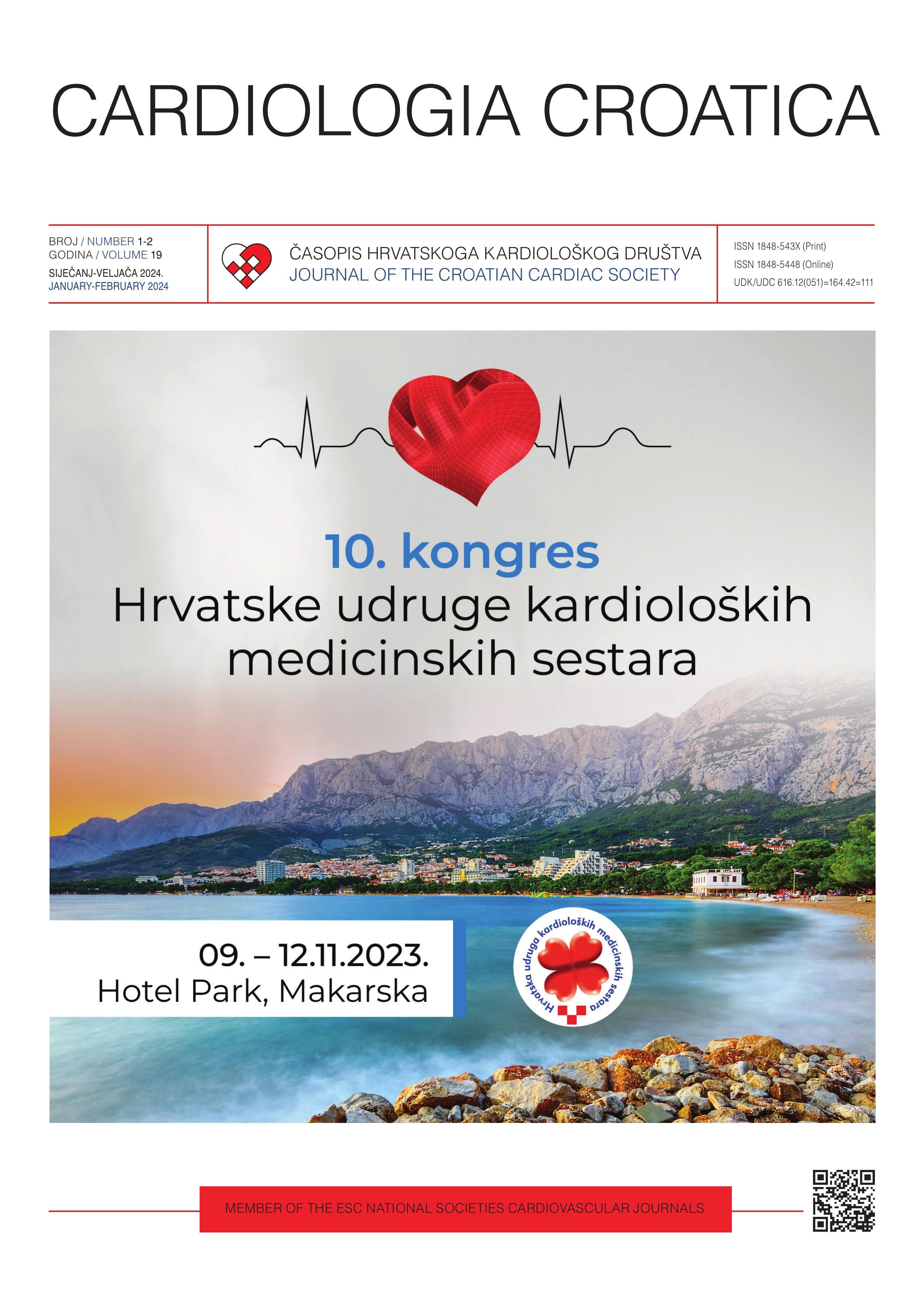
## Dear Colleagues, It is our honor and pleasure to welcome you to the 10th Congress of the Croatian Association of Cardiology Nurses, which is to be held from November 9 to November 12, 2023, in the Park Hotel in the town of Makarska. The program of the 10th Congress is aimed at nurses/technicians and related professionals. As in our previous congresses, we tried to cover all current topics in cardiology with the aim of presenting the achievements as well as the problems of current nursing cardiology practice. Since this is our jubilee congress, special attention will be given to our patients. The symposium “Human-centered care” includes presentations by patients and certified experts from domestic and European practice. The lectures held by patients will provide us with an opportunity to hear what it is like to be a patient. The lectures held by experts are a call to the inherent focus on the human individual on part of all health professionals. We will also have the opportunity to present our achievements, exchange experiences, and discuss important issues through oral presentations, poster presentations, and presentations of interesting cases from the daily clinical practice of the participants. We would like to thank Prof Mario Ivanuša for all the help in the preparation and publication of abstracts in a supplement of the journal Cardiologia Croatica. We believe that the professional content we have prepared will contribute to building your professional excellence and that your active participation in constructive discussions will contribute to the overall success of our congress. Congress Presidents: **Ana Ljubas**, MSN, FESC **Ivica Benko**, MSN, ECDSAP Ass Prof **Ivica Matić**, MSN
Jelena Tereza Čepo, Dora Bedeničić
**Introduction:** Pulmonary hypertension (PH) characterized by elevated mean arterial pressure in pulmonary artery more than 25 mmHg (1). Pulmonary hypertensions increase pulmonary vascular resistance and increase pulmonary arterial pressure cause symptoms such as dyspnea, lack of effort, weakness, pre syncope and syncope and clinical signs of right heart failure (2). European PH guidelines recommend supervised cardiopulmonary rehabilitation as an addition to drug therapy. Activities which increase symptoms should be avoided according to the recommendations of the European Society of Cardiology (3). Evaluation effectiveness of therapy and monitoring of PH is performed with Echocardiography, Six-minute walk test (6MWT) and plasma N-terminal pro-brain natriuretic peptide (NT-proBNP) (4). Moderate physical activity increases cardiopulmonary capacity without of clinical worsening in stable patients (5). Respiratory muscle training, resistance training and aerobic activity shows improvement; 6MWT, quality of life, maximal inspiratory pressure (PImax) and endurance of inspiratory muscles (6). **Patients and Methods:** Medline and Hrčak were searched. In search were used keywords: pulmonary hypertension and cardiopulmonary rehabilitation. The analysis included: systematic literature reviews, meta-analyses, research paper, clinical guidelines, and feasibility study protocol. From 14, 10 papers were selected for the final analysis. Problems that occurred when searching the mentioned databases. The research was conducted with a small number of subjects, there are few randomized controlled studies, the cardiorespiratory rehabilitation procedures are uneven, and the results obtained after the research are usually not confirmed by hemodynamic diagnostics. **Results:** 1499 patients were included in all papers. First step in treatment is early detection of this fatal disease. Different drugs are used in the treatment, calcium channel antagonists, prostaglandins, endothelial antagonists, and phosphodiesterase inhibitors. When the conservative method of treatment is ineffective, the final step is a lung transplantation (4). Evaluated selective phosphodiesterase type 5 inhibitor, sildenafil is also the drug to be used in the treatment of PH. Taken orally in 12 months, there was a significant improvement in 6MWT and, the diameter of the right ventricle decreased significantly (7). Hospital treatment patients with PH is focused on acute conditions and is therefore not aligned with clinical guidelines and evidence-based research. Patients will be directed to other available services (home care...) that do not have enough knowledge to work with PH patients at the end of their lives. Rehabilitation and exercise interventions should be promoted for better outcomes in accordance with patient needs. Procedures should be part of the healthcare system with physiotherapists developing health improvement strategies (6). Exercise has a positive impact on physical activity capacity, quality of life (QoL), hemodynamics and possible disease progression and survival. An ideal module includes exercise frequency, intensity, duration and setting that still need to be explored. Due to the risks that could arise during rehabilitation in patients with PH, rehabilitation must be supervised and closely monitored by a multidisciplinary team (3). Carefully supervised rehabilitation is recommended as an adjunct in patients with PH. In a review of seventeen studies with a total of four hundred and seventy patients, they concluded that after cardiopulmonary rehabilitation there was a significant improvement in physical effort capacity, cardiorespiratory function and QoL compared to untrained control groups. The shortcoming of all studies is the small sample uncontrolled design without assessment of hemodynamics, clinical deterioration, and survival. What is the best method and the duration of the program, the nature of supervision and the increase in functional capacity are also unclear (8). Published guidelines to provide evidence-based recommendations for cardiorespiratory rehabilitation, specific to the Australian and New Zealand healthcare system presented an evidence assessment with nine PICO (Problem/Population, Intervention, Comparison, Outcome) questions with recommendations for clinicians and health insurers (9). After aerobic training and resistance exercises, patients with different causes of PH improved 6MWT, aerobic exercise, resistance exercise, and inspiratory muscle training (IMT) alone or together significantly improve physical function and psychology in PH patients (5). Further multicenter research are needed to confirm the efficiency and safety of cardiorespiratory rehabilitation (10). Inadequacy of institutional rehabilitation programs hospital rehabilitation of PH patients is often insufficient, and it is an appropriate time to evaluate the effectiveness of safety and the effect of the program in one’s own home, as an alternative method for PH patients. This way eliminates transport problems, distance from centers, long waiting lists. Telemetry provides significant potential as additional support at a distance and is essential for the long-term implementation of rehabilitation (11). **Conclusion:** Carefully supervised rehabilitation is recommended in addition to drug treatment in patients with PH. Further multicenter research is needed to confirm the efficiency and safety of cardiorespiratory rehabilitation and demonstrated improvement in hemodynamics. Exercise protocols should be standardized.
Lea Saftić, Katarina Matković, Marko Gatarić, Nikica Prpić, Ivan Šragalj
**Introduction**: The most common type of pulmonary embolism (PE) is a thrombus that typically originates from the venous system of the lower extremities. Once released into the venous circulation, clots often extend to both pulmonary lobes. Most thrombi collect in larger or medium-sized pulmonary arteries, while the rest may lodge in smaller arterial branches. Fat emboli, which can occur after fractures, represent rare causes of PE. These emboli typically affect pulmonary microcirculation, including arterioles and capillaries, and can lead to the development of acute respiratory distress syndrome in adults. (1) **Case report**: We present a case report of a 67-year-old male patient who presented to the University Hospital Centre Rijeka with breathing difficulties. The patient was confirmed to have intermediate-high-risk pulmonary thromboembolism through CT pulmonary angiography. The Indigo System Lightning 12 PE is the latest system used for clot removal from pulmonary arteries in the interventional cardiology unit. (2) The placement of the Indigo System Lightning 12 PE is used as an emergency treatment for PE. **Conclusion**: The Indigo System, in combination with its aspiration system, has shown excellent results in treating PTE.
Ružica Lovrić, Nikolina Glogovšek, Paula Keblar, Ivica Benko
**Introduction:** Left Ventricular Assist Devices (LVAD) have become a crucial therapy for patients with advanced heart failure awaiting heart transplantation or as destination therapy. However, the possibility of LVAD explantation, once considered rare, is increasingly recognized as a complex and evolving aspect of advanced heart failure management. LVAD explantation may be considered in specific clinical scenarios, including myocardial recovery, heart transplantation candidacy, or resolution of adverse events such as infection or device-related complications. Successful LVAD explantation often necessitates a multidisciplinary approach, including close collaboration between cardiologists, cardiac surgeons, and transplant teams. However, the decision to explant an LVAD is complex and involves careful patient evaluation, including functional assessment, cardiac imaging, and hemodynamic monitoring. Challenges may arise in identifying suitable candidates, assessing myocardial recovery, and managing potential complications associated with explantation. (1-3) This abstract explores the various scenarios, indications, and challenges associated with potential LVAD explantation. **Case report**: We present a 56-year-old female patient who has been under medical supervision since 2015 due to dilated cardiomyopathy. In the same year, she underwent pre-transplantation assessment and received an LVAD implant. She has been hospitalized on multiple occasions for microcytic anemia, attributed to uterine fibroids, for which she underwent an elective hysterectomy. In March 2020, she was hospitalized due to a local infection and bleeding around the driveline entry site. Furthermore, in July 2021, she was admitted due to increased fatigue, accompanied by exertional palpitations and lower leg swelling. The patient reported a fall at home but provided a detailed account of the incident, without any loss of consciousness. She also mentioned that she had not experienced similar incidents before. The LVAD device functioned normally without any recorded alarms. A medical consensus determined that the patient would remain on the Eurotransplant waiting list until further notice. The patient received regular follow-up care through the Daily Cardiology Clinic. In July 2023, she was hospitalized for a disease reevaluation. During hospitalization, the LVAD pump speed and flow were gradually reduced with a favorable myocardial response. Furthermore, in September of this year, she was admitted for planned right heart catheterization and evaluation for LVAD explantation. However, the right heart catheterization was not performed for technical reasons, and there were no new issues compared to her previous hospitalization.
Snježana Jušić, Ivana Živković, Iva Lazinica
**Introduction:** Dilated cardiomyopathy is the most common form of cardiomyopathy, often of multifactorial etiology. It is characterized by dilatation of the ventricles and consequently impaired systolic function. The clinical picture shows congestive heart failure (HF). (1-3) **Case report:** 36-year-old patient was hospitalized in the Coronary Unit with a severe clinical picture of HF underlying dilated cardiomyopathy accompanied by elevated NT-proBNP values and significantly impaired left ventricular systolic function (LVEF 25%). Exercise intolerance, reduced physical activity, overweight, smoking, and dyslipidemia resulted in worsening clinical status and are predictors of poor outcome. In accordance with the patient’s age, a quiet progression of the disease is characteristic, which leads to the diagnosis of already advanced heart failure. During hospitalization, the patient developed an acute stroke of ischemic etiology and was successfully treated according to the guidelines with the aim of achieving brain tissue reperfusion. Further diagnostic processing and a negative family history did not prove hereditary or acquired thrombophilia in the patient. Genetic screening for dilatative cardiomyopathy is indicated as a possible cause. When, in addition to acquired risk factors the question of genetic etiology arises, systematic family screening is recommended to obtain an early diagnosis in blood relatives, which would facilitate rapid prophylactic therapy in the early or preclinical phase of the disease. The patient has a relative indication for a heart transplant, therefore further diagnostic work is needed prior to final decision. **Conclusion:** Given that dilated cardiomyopathy is a disease with a high prevalence of growth and mortality rate, early prevention and elimination of risk factors are necessary. It can be concluded that the severity of symptoms does not correlate with the severity of the disease, but rather with the patient survival rate.
Ante Komazin, Gordana Hursa, Sanja Keleković, Tomislav Pijetlović, Miroslav Geček
Sudden cardiac death is in most cases caused by ventricular tachycardia and ventricular fibrillation. The standard therapy for the prevention of sudden cardiac death is transvenous implantable cardioverter defibrillators, i.e. ICD devices that detect ventricular arrhythmias and deliver shocks. In the last few years, the option of implantation of subcutaneous implantable cardioverter defibrillator (S-ICD) is often used. S – ICD is an implantable subcutaneous medical device for detecting and stopping ventricular tachycardia and ventricular fibrillation in patients at risk of sudden cardiac arrest. It is mainly implanted on the left side of the chest wall under the armpit. It is also the first and only device that provides protection against sudden cardiac arrest by leaving the heart and vasculature intact. Unlike the transvenous ICD, the S-ICD has much fewer possible complications during placement and those related to the lead. However, it does not have the ability to stimulate, therefore it cannot provide stimulation therapy against tachycardia, bradycardia and resynchronization therapy. (1-5) We will briefly explain what an S-ICD is, what are the main differences between an S-ICD and an ordinary ICD, and indicate the indications for its placement. We will talk about perioperative preparation of the patient for S-ICD placement, intraoperative health care and postoperative patient care and complications after placement. We will also present a case of a patient at risk of sudden cardiac death who was a good candidate for S-ICD implantation.
Ana-Marija Brekalo, Petra Lernatić
Trauma and aortic dissection are serious medical conditions that require prompt and precise intervention to prevent severe complications and a fatal outcome. Traumatic injuries, such as vehicular accidents, falls from great heights, or certain sports injuries, can lead to the separation of the inner layer (intima) from the middle layer (media) of the aorta, which is characteristic of aortic dissection. Injuries to the aorta can weaken its structure and integrity, predisposing it to later layer separation and the development of dissection. Thoracic endovascular aortic repair (TEVAR) has become the preferred approach for treatment of thoracic aortic pathology since the approval of the first endograft device by the U.S. Food and Drug Administration (FDA) in 2005 (1). TEVAR has become a key treatment method, often requiring monitoring and support for patients after the procedure. Monitoring the patient after a TEVAR procedure is crucial for identifying potential postprocedural complications such as endoleaks, stent rupture or displacement, infection at the access site, or around the stent graft. Regular monitoring procedures include examinations such as CT angiography or ultrasound, vital signs monitoring, and laboratory tests. Early detection of complications allows for successful treatment and risk reduction. TEVAR is a demanding procedure that can leave patients with physical challenges. The importance of supporting patients after a TEVAR procedure should not be underestimated. Patients often face physical, emotional, and psychological challenges following trauma and invasive surgery. The healthcare team, including nurses, doctors, and therapists, plays a crucial role in patient rehabilitation. Support in the form of physical therapy, medical supervision, and rehabilitation helps patients regain their strength and functionality. They are encouraged to gradually return to normal physical activities to improve their mobility and quality of life.
Ivan Šragalj, Marina Klasan, Ivana Hodanić, Katarina Matković, Saša Bura, Domagoj Blažević
The advancement of technology has significantly impacted the care of patients with arrhythmias, leading to improved diagnosis, monitoring, and treatment of this heart condition. The introduction of advanced medical devices, such as smart monitors and wearable technologies, has allowed real-time monitoring of cardiac activity, enabling prompt intervention in case of irregularities. Technological progress has also led to the development of sophisticated algorithms for analyzing heart rhythm data, enabling more precise diagnosis and personalized treatment. Telemedicine has become a common practice, allowing patients to regularly communicate with their healthcare providers online, reducing costs and improving the accessibility of medical care. Furthermore, technological advancement has resulted in the development of minimally invasive surgical techniques, such as ablation and the implantation of cardiac pacemakers, reducing the risk of complications and shortening the recovery time for patients. All these innovations together contribute to an improved quality of life for patients with arrhythmias and reduce the risk of serious complications associated with this condition. (1-3)
Sara Milanović Litre, Kristina Šolić
Transcatheter aortic valve implantation (TAVI) is an accepted alternative method of treating severe aortic valve stenosis with a tendency to increase the number of procedures. (1) Unlike other procedural complications, the incidence of conduction disturbances has not decreased significantly despite technical improvements (about 10% with the latest generation of valves). (2) The connection between TAVI and conduction disturbances is determined by the anatomical proximity of the bundle of His and the annulus of the aortic valve. Transcatheter valve placement may cause edema, ischemia, or hematoma of the surrounding tissue near the conduction system. (3) The most common conduction disturbances are left bundle branch block and advanced atrioventricular block. (4) The most significant pre-procedural electrocardiographic risk factors for the occurrence of conduction disturbances are: right bundle branch block, present in 10-14% of patients, especially in combination with first degree AV block and bifascicular block. (5) Before the procedure, it is necessary to carefully review the previous electrocardiographic records, especially those of longer monitoring, because there is information that Holter monitoring the day before the procedure revealed AVB or significant bradycardia in a third of patients who received a pacemaker after the procedure. (6) Furthermore, the list of medications should be clearly recorded because there are indications that preoperative omission of beta blockers results in a lower incidence of ES implantation. (7) Procedural risk factors include the installation of a self-expanding valve (Evolut system), a deeper depth of valve installation and balloon postdilatation, which should be clearly indicated in the nursing documentation. (4) Conduction disturbances usually occur within 24 hours of the procedure, most often intraprocedurally, during valve expansion. The nursing handover should contain relevant information about the patient’s condition before, during and after the procedure. Vital signs, medications administered during the procedure, state of consciousness, difficulty with valve placement, type of valve, occurrence of arrhythmias and conduction disturbances during the procedure. The first step in planning health care after the TAVI procedure should refer to the assessment of the patient’s risk for the development of conduction disturbances. Nursing interventions should be focused on continuous monitoring of risk factors, evaluation of the patient’s status, observation of the electrocardiogram.
Vesna Mijoč, Marta Čivljak, Ivica Matić, Marin Čargo
On World Heart Day, September 29th, the University Department of Nursing of the Catholic University of Croatia actively contributed to the global network for the promotion and preservation of heart health this year by organizing an educational workshop “Recording ECG and interpreting basic heart rhythms” in collaboration with the Croatian Association of Cardiological Nurses. The workshop was intended for university students as well as for nurses employed in cooperating institutions. The aim of the workshop was to enhance the competencies of nurses in the field of electrocardiography and to emphasize the crucial role of prevention of cardiovascular diseases, which remain the leading cause of mortality globally (1). The workshop program, designed and led by the teachers at the University Department of Nursing, was divided into two segments: theoretical and practical. In the first segment, the theoretical foundations of recording and interpreting ECG were presented, with a special focus on basic rhythms and rhythms of cardiac arrest, and the corresponding actions of nurses. The second, practical part, allowed participants to acquire practical skills in recording standard and modified forms of ECG. At the beginning and end of the workshop, participants tested their knowledge with a written check. The total point scale ranged from 0 to 20 points. The initial test was solved by participants with 65% success (average 13/20 points). After the education, the success of the written check was 85% (17/20 points). The lowest percentage of exam resolution was 31% before education and 61% after education. Respondents evidently strengthened competencies in distinguishing malignant heart rhythms, phases of the cardiac cycle, and physiology of heart function, while practical positioning of electrodes and ECG recording was satisfactory both before and after education. The results show that in addition to practical skills in ECG recording, nurses also need an understanding of the basic principles of ECG and basic interpretation. Through this initiative, the University Department of Nursing not only marked World Heart Day but also actively contributed to raising the standard of expertise and knowledge in cardiological care, highlighting the crucial role of nurses in the prevention and fight against cardiovascular diseases.
Mateja Lovrić, Ivica Benko, Marina Budetić, Mirela Adamović, Marina Žanić, Marija Grlić, Mario Tomašević, Ivan Horvat, Ivan Zeljković, Nikola Pavlović
**Introduction**: Heart transplantation is nowadays a widely accepted and the only successful treatment option for patients with end-stage heart failure when all other options have been exhausted and life expectancy is less than one year despite optimal medical treatment. However, post-transplant complications such as sinus node injury and/or atrioventricular block necessitate pacemaker implantation. The choice of pacing strategy in heart transplant recipients is the subject of ongoing debate. The biatrial approach, in which dual-chamber pacemakers are implanted in both atria, has gained attention because of its potential to improve hemodynamic performance in these patients. Many studies suggest that implantation of dual-chamber pacemakers using the biatrial method may offer several benefits in heart transplant patients. These include improved atrial synchrony, improved ventricular filling, reduced risk of pacemaker syndrome and optimization of cardiac output. Additionally, this approach has shown potential in reducing the incidence of atrial arrhythmias commonly observed in this patient population. (1-3) **Case report**: We present a 46-year-old patient who underwent a heart transplant in 2012. because of dilated cardiomyopathy. The patient was hospitalized again this year due to right-sided heart failure. Hospitalization was complicated by the clinical manifestation of sepsis. The nodal rhythm, with a daily average of 55 beats per minute, was monitored and the patient was scheduled for implantation of a permanent dual-chamber pacemaker. The implantation was further complicated by the atrial anastomosis and the difficulty of positioning and testing the atrial lead. Atrial lead was successfully implanted into the donor’s part of the atria using conventional electrogram mapping around the anastomosis. Due to preserved AV conduction, the patient was implanted with a managed ventricular pacing mode device to promote intrinsic conduction by reducing unnecessary right ventricular pacing.
Marijana Pedić
**Introduction**: Pregnancy is associated with marked physiological changes that challenge the cardiovascular system. (1) Peripartum cardiomyopathy is defined by left ventricular dysfunction and the development of cardiac failure without a known cause, occurring in the final month of pregnancy and up to 5 months postpartum. (2, 3) **Case report**: 43-year-old patient was admitted to the Emergency Department due to difficulty breathing that has been going on for the last two days. The patient gave birth vaginally five days ago, and the birth went smoothly. This is her fourth pregnancy. Echocardiography verifies dilated cardiomyopathy with severely impaired left ventricular systolic function (LVEF 30-35%). Adequate therapy was immediately started, and on the sixth day, after clinical improvement, she was discharged from the hospital. After two years, she is still regularly monitored by a cardiologist, with recovered systolic function (LVEF 60-65%). **Conclusion**: Peripartum cardiomyopathy is a life-threatening condition in women that is important to recognize in time and react to properly. The cause is unknown, and much more research is needed to help in its prevention and treatment.
Dubravka Crnković, Renata Habeković, Petra Leskovar, Anica Džaja
A heart transplant is the gold standard treatment for end stage heart failure. Preservation of the donor heart during its transfer from the hospital of the donor to that of the recipient has a significant impact on the outcome of the transplant procedure. Icebox storage is a conventional method utilized for this purpose that may not provide uniform cooling of the donor heart and does not allow monitoring of the temperature of the donor heart during preservation. (1) Paragonix SherpaPak Cardiac Transport System (CTS), one of the leading FDA-cleared and CE-marked preservation devices for heart transportation, offers a sterile, controlled environment that is clinically proven to minimize post-transplant complications. In our region University Hospital Centre Zagreb has used it for transport of the heart eight times so far. With this CTS we suspended the donor heart in a preservation solution for even cooling in a pressure-controlled, leak-proof, single-use, rigid canister, that provides a consistent temperature range, prevents cold injury, and offers real-time monitoring and data reporting. SherpaPak was recently introduced into our human heart transplant procedure, so the experience is minimal, but so far we are very satisfied, due to uniform hypothermia, continuous monitoring, and single use transport containers. If we compare short term post-transplant outcomes, and utilized data collected by the GUARDIAN-Heart Registry (the world’s largest clinical database specifically dedicated to heart preservation), now with over 1500 enrolled patients who have undergone heart transplantation, the data generated by the researchers continues to show improved clinical outcomes when utilizing Advanced Organ Preservation with the SherpaPak in a direct comparison to traditional ice storage. We are satisfied witnessing a paradigm shift in the standard of care for donor organ preservation, and we are thrilled to be at the forefront of that movement, providing every possible advantage for our transplant patients. New case studies can be used in randomized trial, especially those with prolonged ischemia times in a few years’ time.
Marina Deucht
**Introduction**: Patients who undergo heart surgery with a diagnosis of chronic obstructive pulmonary disease (COPD) can more easily develop pulmonary dysfunction in the sense of an acute exacerbation of COPD, defined as worsening dyspnea, increased volume and infection of sputum, increased cough, increased breathing frequency, or heart rate. (1) All the listed symptoms represent a postoperative complication and cause the need for more intensive help and specific treatments. Over the years, different strategies have been developed for lung rehabilitation. The clinical application of early respiratory therapy with all related techniques, in combination with inhalation and other pharmacological therapy, can influence the positive outcome of the patient’s recovery. (2) **Case report**: A patient with coronary heart disease and COPD was selected from the register of the Institute for Cardiac and Transplantation Medicine, University Hospital Dubrava, who developed symptoms of exacerbation of COPD after heart surgery in the period from September 5 to September 22, 2023. The analysis included the influence of Cipla inhalation therapy and early respiratory therapy on the implementation of the respiratory program and the results of the patient’s respiratory status. Postoperative exacerbations of COPD were recorded in the patient within 72 postoperative hours. Clinical signs were worsening dyspnea, infectious secretions, and an increased respiratory rate. Radiological and laboratory findings showed a specific pattern of exacerbation. Prescribed inhalation therapy with Cipla x6 over 24 hours or 3 days, later x4 or 4 days, bronchodilators, and increased lung rehabilitation 3x a day improved the patient’s respiratory status. **Conclusion**: Timely treatment of acute exacerbations of COPD after cardiac surgery with increased use of inhalation therapy in combination with respiratory therapy can stabilize the patient and reduce lung respiratory dysfunction.
Senka Pejković, Nikolina Jurković Dubravčić, Renee Mixich
Atherosclerotic cardiovascular disease is considered the leading cause of cardiovascular morbidity and mortality in the Western world. The treatment of hypercholesterolemia for primary and secondary prevention is primarily with statins, according to current European guidelines. Statins are effective in lowering high-blood cholesterol levels at the highest tolerated dose as first-line therapy. (1) In the event that statins alone are not sufficient to adequately regulate blood lipids, ezetimibe is added as a second drug at a dose of 10 mg. In addition to statins, and ezetimibe, newer drugs are also used to lower LDL, namely alirocumab. (2) When high-dose statins in combination with ezetimibe are not enough or statin treatment causes side effects, there is a new drug: inclisiran, a drug with a unique effect in lowering LDL cholesterol, administered twice a year. (3) In Croatia, inclisiran was first used in May 2022 at Dubrava University Hospital. To date, twenty-two patients are receiving inclisiran therapy for the treatment of hypercholesterolemia. Patients eligible for inclisiran therapy are those with established cardiovascular disease who are already taking statin therapy or who are eligible for monotherapy because the statin was contraindicated. Inclisiran is an effective drug administered subcutaneously twice a year by a nurse. The nurse plays a very important role, both in the introduction of the drug, the application of the drug and in the further monitoring of the patient.
Ana Marinić, Valentina Jezl, Danijela Grgurević, Vjera Pisačić
Cardiogenic shock is a clinical entity characterized by decreased cardiac output and resultant circulatory failure leading to organ hypoperfusion and tissue hypoxia. (1) There are numerous factors that can precipitate, but the most common cause is extensive acute myocardial infarction. (2) Despite advances in pharmacologic and reperfusion therapy, morbidity and mortality from cardiogenic shock remain high. In cases of worsening cardiogenic shock with conventional therapy, the treatment strategy is temporary mechanical circulatory support (MCS). The primary role of MCS is to improve native cardiac output, increase perfusion through the coronary arteries, decrease left ventricular pressure and filling volume, reduce oxygen consumption, and ensure perfusion of vital organs with minimal risk of complications. (3) Microaxial transvalvular left ventricular support (Impella) is one of the most used mechanical circulatory support. The Impella system consists of a pigtail catheter with an integrated axial motor, which is placed percutaneously or surgically in the left ventricle, and automated Impella controller that displays flow rate, performance level, purge fluid rate, purge fluid pressure, alarm notes, and catheter position information. Blood is aspirated from the left ventricle using an axial motor, according to the Archimedes screw principle, and transferred to the ascending aorta. The smart assist technology possessed by two Impella pump models (Impella CP and Impella 5.5) enables monitoring of pump operation, control of catheter position and early recognition of the development of potential complications (catheter dislocation). Other complications associated with the Impella pump are hemolysis, aortic valve and papillary muscle injury, bleeding, thrombosis, and infection. (4) Daily care for patients on Impella support in Cardiac Intensive Care Unit includes: monitoring the operation of the pump with continuous monitoring of the patient’s hemodynamic status, control and daily documentation of the catheter position (by examining the catheter position on the external part of the catheter and echocardiographic imaging of the catheter position in the left ventricle), achieving and maintenance of the target values of anticoagulation therapy and prevention and early recognition of the development of complications. In addition to the timely selection of the moment to set the indication for implanting the Impella support, the success of the treatment, among other things, largely depends on the knowledge and experience of the members of the multidisciplinary team that cares for the patient, following the latest guidelines.
Dragana Jurčić, Milka Grubišić, Paula Filar
The use of mechanical circulatory support (MCS) in the treatment of advanced heart failure (HF) has grown exponentially in the last 15 years. The left ventricular assist device (LVAD) is today the most used therapeutic option for MCS in patients with advanced HF. It is used in carefully selected patients as bridging therapy until heart transplantation or destination therapy. The care of this group of patients is complex and requires an individual approach from a multidisciplinary team. The paper will present key aspects of nursing care for patients after LVAD implantation. Caring for LVAD patients is a challenge in nursing and requires specific knowledge and a range of skills. Nurses have an important role in monitoring vital functions, taking care of the exit site and immobilizing the percutaneous cable, controlling INR, and applying anticoagulant therapy, as well as continuous monitoring of the parameters of the pump and daily checks of the device and accompanying apparatus. The role of the nurse in the education of the patient and family is emphasized, as is the role in achieving optimal mobilization and independence, as well as providing psychological and emotional support. Through continuous monitoring, education, and support, nurses play an important role in improving the quality of life of patients. Also, teamwork and a multidisciplinary approach are essential in achieving comprehensive and individualized care for patients with LVAD. (1, 2)
Renata Habeković, Mirjana Dubravec, Danijela Žigrović, Sanjica Kurtanjek Gorupec
The aim of the cardiovascular tissue bank is to store homografts - human tissue transplants of heart valves and blood vessels. (1) Transplantation of tissues or organs is seriously limited by the problems of lack of donors and immune rejection at the donor-recipient level. The development of tissue engineering enables tissue transplantation as well as cells from the patient’s own tissue. Therapy or treatment with tissue transplantation has been used for more than 50 years; however, one of its disadvantages is the possibility of disease transmission from the donor to the recipient. This risk is greatly reduced by excluding donors who are at risk of transmitting infection and by testing donors for transmissible infectious diseases. (2) Aseptic surgical technique in a quality environment, when extracting tissue from a donor, processing and storing tissue, and during implantation, is of key importance for preventing bacterial and fungal contamination. (3) Over the past two decades, the risk of disease transmission associated with tissue transplantation has been greatly reduced by the application of standards that are established by the professional organizations Association of Tissue Banks, European Association of Tissue Banks (EATB), and American Association of Eye Banks. (4) In the Republic of Croatia, the cardiovascular tissue bank took over the process technology of the largest European cardiovascular tissue bank, the European Homograft Bank from Brussels.
Aleksandra Kraljević
Immobility in patients implies inability to perform basic motor activities independently, such as: getting to and turning in bed, sitting up, standing, and walking. Immobility is one of the major causes of secondary complications, like: loss of muscle strength, circulatory diseases, breathing problems, occurrence of skeletal muscle contractions and bedsores. Positioning immobile patients and patients with decreased mobility includes procedures enabling the patients to adequately change the position of their body, as well as to establish a connection between different body segments while being aware of biomechanical relationships between body segments and basic physiological functions of the body. Methods used in the traditional approach to positioning are mostly based on explaining body positions to the patient before he/she is placed. The modern approach to positioning immobile patients or patients with decreased mobility should be problem oriented. Functional impairment should be accurately assessed and patient’s individual needs regarding positioning analyzed. Basic positions for placing a patient in bed are dorsal (supine) position, lateral position, semi-lateral position, and prone position. According to the modern approach, when positioning patients with decreased mobility or immobile patients in the ergonomic way, skills and aids are used to ensure safer positioning techniques both for patients and medical staff. Regulations and Labor Laws emphasize the importance of ergonomics and use of new technologies to improve working conditions regarding health and safety at work. It is necessary to educate health professionals on all the dangers which may occur in their work, on ergonomically correct way of executing their tasks, as well as to enable them to implement modern technology which helps in preventing diseases. (1, 2)
Paula Filar, Milka Grubišić, Dragana Jurčić
Heart transplantation is a method of treatment for patients in the last stage of heart disease for whom pharmacotherapy or other surgical procedures have been exhausted. Monitoring such a group of patients is an extremely complex process that includes a series of preoperative and postoperative procedures that monitor the occurrence of possible unwanted complications during treatment. A heart biopsy is routinely performed for the purpose of early detection of rejection of the transplanted organ, which may be asymptomatic in its beginnings. The results of the biopsy are classified into four different categories (ISHLT grade) that guide us in the further monitoring and treatment of the patient. Biopsy findings may require the use of higher doses of immunosuppressive therapy (i.e., the use of corticosteroids) with increased isolation measures. It is performed routinely once a week for the next four weeks after transplantation with the help of a biopsy device under local anesthesia. From the fourth postoperative week, the biopsy is performed once every two weeks until the end of the tenth postoperative week, and then once a month for the first six months. From the seventh postoperative month to the second year, a biopsy is performed every three months. From the second to the third year, the biopsy is performed once a year along with coronary angiography. It is important to note that the time and frequency of performing a biopsy are individual and may change depending on the pathohistological findings of the sample. After a successful heart transplant, it is necessary to take extra precautions to prevent complications. Transplanted patients belong to a high-risk group whose care requires specific knowledge and skills. A multidisciplinary approach is important for the success of the postoperative course. We consider myocardial biopsy to be the most reliable method for evaluating the results of graft acceptance or rejection. It is used as the “gold standard” in monitoring the postoperative course after heart transplantation. (1, 2)
Ivica Matić, Marin Čargo
In a world of ever-increasing amounts of scientific information, the ability to effectively find, analyze, and apply scientific information is becoming a critical skill in all fields of study (1). The Finding answers to research questions through scientific literature research workshop is designed to enable cardiovascular care nurses to effectively formulate research questions and find answers in complex scientific information databases. Through an interactive format, participants will learn about key aspects of defining research questions and hypotheses and will develop the skills needed to effectively search and evaluate the scientific literature. Strategies for reading academic papers quickly and critically as well as techniques for recording and summarizing information effectively are discussed, and insights are provided into the art of putting together a coherent and controversial literature review. Workshops provide opportunities to put learned skills into practice. Through exercises and case studies, participants are encouraged to apply the knowledge gained to concrete examples in their field of study. In addition, interactive experience sharing and discussion sessions are planned to provide opportunities for participants to network and collaborate. By the end of the workshop, participants will have acquired the tools and knowledge that will enable them to confidently navigate the research process and accurately and effectively identify, analyze, and use relevant scientific resources to formulate and validate their research questions and hypotheses. This seminar combines theoretical frameworks with practical applications to provide a foundation for developing nursing research skills that are critical for academic and professional excellence in today’s scientific society.
Valentina Jezl, Leonarda Berišić
**Introduction**: An electrical storm is a condition of cardiac electrical instability characterized by several episodes of ventricular tachycardia (VT) or ventricular fibrillation (VF) within 24 hours, requiring medication and/or defibrillation, with a death rate ranging from 22 to 82%. (1) The treatment of an electrical storm is determined by the etiology; therefore, for acute coronary syndrome, percutaneous coronary intervention is the method of choice, whereas radiofrequency catheter ablation is the method of choice for VT. Hemodynamically unstable patients frequently require mechanical circulatory support, such as extracorporeal membrane oxygenation (ECMO). This paper describes the case of a younger patient presenting with an ST-segment elevation myocardial infarction, which was complicated by cardiorespiratory arrest, refractory VF, and cardiogenic shock, and who required ECMO to stabilize the condition. **Case report**: This is a 42-year-old male who presented to the Bjelovar General Hospital on September 9, 2023, with acute chest pains, tingling in both limbs, and short-term dizziness. The patient is admitted with no electrocardiographic symptoms of a myocardial infarction and normal laboratory values; therefore, nitrite treatment is administered. After 2 hours, the patient complains of pain again, which he rates at 10/10 on the visual analogue scale, as well as indicators of an acute myocardial infarction, prompting the transfer to the University Hospital Centre Zagreb. During the patient’s transport, a cardiorespiratory arrest occurs due VF, and defibrillation is performed four times with the use of adrenaline. On arrival, the patient is somnolent, hypotensive, tachydyspnoic, and has audible rales, for which he is sedated, intubated, and mechanically ventilated. Following intubation, the patient becomes rhythmically unstable and falls into cardiac arrest, at which point resuscitation is initiated in accordance with the ALS protocol. Because of the electrical storm, which is caused by refractory VF, the resuscitation method requires the insertion of a peripheral veno-arterial ECMO. The period between the beginning of CPR and the initiation of the ECMO system was 20 minutes. Following the condition’s stabilization, an urgent coronary angiography was performed to identify a thrombotic obstruction of the LAD, followed by percutaneous intervention with aspiration thrombectomy and placement of a drug-eluting stent. A favorable clinical response is observed following the intervention, with inotropic support of dobutamine, with an improvement in hemodynamic status, recovery of pulsatility, reduction of flow on the ECMO system, normalization of acid-base status and lactate values, and recovery of hourly diuresis. The initial ultrasound of the heart revealed severely impaired left ventricular systolic function (LVEF 25%) with preserved right ventricular function, whereas the control ultrasound on September 11 revealed recovery of systolic function (LVEF 50%), and the patient was successfully weaned from the ECMO system. After the sedation is removed, the patient’s neurological recovery is evaluated, and the patient is transferred to the Department. On the ninth day of hospitalization, the patient is discharged home with a recommendation for cardiac rehabilitation. **Conclusion**: An electrical storm is a potentially lethal situation that requires rapid reaction and multidisciplinary patient treatment. In this case, prompt defibrillation and insertion of the ECMO systems supported urgent coronary angiography, resulted in optimum flow through the coronary arteries, and saved the patient’s life.
Milka Grubišić, Dragana Jurčić, Paula Filar
Aortic valve replacement through sternotomy is the gold standard for surgical management of aortic valve diseases. (1) Upper mini sternotomy enables smaller postoperative drainage, easier patient mobilization, faster postoperative recovery, and earlier postoperative hospital discharge. (2) This paper aims to demonstrate the advantages of the upper mini sternotomy approach when compared to the conventional sternotomy approach and to show the specificities of postoperative nursing care for these patients. Upper mini sternotomy can be performed through the third or fourth intercostal space. Less surgical trauma and the utilization of parasternal intercostal block enable earlier extubation, and patient mobilization into a semi-sitting position in the early postoperative period. On the first postoperative day, in most cases, thoracic drains are removed, and patients are transferred from the Intensive Care Unit to the Department of Cardiac Surgery. They are mobilized on the same day, which, according to the most recent clinical studies, significantly prevents loss of muscle mass and enables faster postoperative recovery. A smaller surgical incision that does not include the xiphoid lowers the risk of surgical site infection when compared to a conventional sternotomy. A surgical nurse actively participates in the postoperative care of these patients by taking care of postoperative drainage in the early postoperative period, assessing the need for additional pain medication, changing the surgical dressing during the whole hospital stay, and helping with patient mobilization. Furthermore, a surgical nurse, in collaboration with surgeons, actively participates in the decision-making process for potential earlier hospital discharge, which is also one of the advantages of a mini sternotomy. Upper mini sternotomy significantly contributes to a faster postoperative recovery and therefore should be considered a standard surgical approach in patients with an indication for aortic valve replacement unless a contraindication exists.
Hrvoje Topalović, Ana Marinić
**Introduction**: Myocarditis is an inflammatory disease of the heart muscle, which leads to the degeneration and/or necrosis of myocytes, caused by infectious and non-infectious agents. It is classified as acute, fulminant, chronic active or chronic persistent myocarditis. (1) **Case report**: In January 2023, a 21-year-old patient with acute heart failure due to fulminant myocarditis was transferred from a cooperating institution to the University Hospital Centre Zagreb. Transthoracic echocardiography shows reduced global left ventricular systolic (ejection fraction 20%). Based on anamnestic data collected from medical records and heteroanamnestically, without comorbidities. The patient is admitted sedated, intubated, mechanically ventilated, with peripheral saturation 80%, and receiving continuous inotropic and mechanical circulatory support (V-A ECMO). A chest X-ray shows right-sided pneumonia with the possible development of the “ECMO lungs”. Catheterization of the right side of the heart verified elevated left ventricle filling pressure. To unload left ventricle, a transvalvular microaxial support (Impella CP) was implanted. After the interventions, the native function of the heart is restored. Due to further respiratory failure, the existing V-A ECMO support is reconfigured to V-V ECMO support. After 158 hours of mechanical circulatory support, recovery of hemodynamic and respiratory status is monitored, and the patient is successfully weaned from mechanical circulatory support. Further weaning of mechanical ventilation is followed by spontaneous respirations, extubation was performed, and the initiation of high oxygen flow therapy, ensuring the patient’s respiratory sufficiency. For further treatment, the patient is transferred to the post-intensive care unit, hemodynamically and rhythmologically stable, mobilized, and respiratory sufficient with minimal oxygen support via a nasal catheter. Along with the titration of heart failure and anti-inflammatory therapy, the improvement of the general condition is monitored. Magnetic resonance imaging of the heart describes the recovery of heart function with a left ventricular ejection fraction of 57%. The patient is discharged after 25 days of hospitalization, in good condition. Further ambulatory controls are followed by almost complete normalization of cardiac biomarkers with preserved global systolic function of the left ventricle. **Conclusion**: Myocarditis is an inflammation of the heart muscle caused by infectious or non-infectious agents. The clinical presentation of the patient depends on the degree of myocardial damage. The diagnosis is based on findings of biochemical markers of myocardial necrosis, immunological tests, cardiac magnetic resonance, and endomyocardial biopsy. Therapy is symptomatic and treatment aims to address complications. Patients often require intensive cardiac care and a multidisciplinary approach in which nurses and technicians play an important role. (1, 2)
Sanjica Kurtanjek Gorupec, Ivan Filipović
The COVID-19 pandemic is putting health services, including cardiac surgery units, under increasing pressure. The Heart Team is faced with a new challenge embodied in the emergence of a new, unknown virus and the disease it causes, which leads to great uncertainty. However, the decision to operate is inevitable, which is considered time-sensitive, as delaying the procedure may cause harm to the patient. The issue of the potential risk of aerosolization or virus contamination via oxygenators or chest drains is also an under-recognized way of spreading the virus, which can put patients and healthcare workers at the greatest risk of infection. Although most membrane oxygenators in use today are surface-coated, there is no evidence in the literature to suggest that viruses cannot penetrate these hollow fiber materials. (1) Viruses from the Coronaviridae family (i.e., SARS) are between 0.08 and 0.15 microns in size. Around the world, medical care is hampered by critical shortages not only of equipment but also of obstacles in the blood supply. Blood management for patients should be considered a strategic approach in times when there is an urgent need to optimize healthcare resources and reduce pressure on the blood supply. Both healthcare professionals and perfusionists are faced with the challenges of working in a completely new environment with very little new information, exhaustion due to heavy workloads and protective equipment, fear of infecting oneself and others, feeling powerless in the fight against illness, and managing relationships in this stressful situation.
Marin Čargo, Ivica Matić
Effective scientific communication, particularly in writing and publishing research findings, is paramount in advancing science, informing policy, and enhancing professional development (1, 2). Thus, the workshop titled The Academic Writing and Publishing Process: Guides and Practical Tips aims to bolster skills in scientific writing and publication among researchers, ensuring the accurate, clear, and ethical conveyance of scientific knowledge. The workshop incorporates a multifaceted approach to content and methodology, ensuring a comprehensive and hands-on learning experience for participants. Initially, participants will immerse themselves in understanding the foundational structure and crucial elements of scientific papers, exploring the well-established IMRaD (Introduction, Methods, Results, and Discussion) framework, and deliberating on the vital importance of producing coherent and accessible texts. Parallelly, ethical considerations will be ardently explored, offering insights into safeguarding integrity in scientific writing by focusing on pivotal aspects such as averting plagiarism, guaranteeing accurate and honest reporting, and steadfastly adhering to authorship guidelines. Moreover, participants will be guided through the intricate labyrinth of the peer-review process, provided with a thorough overview, and strategic approaches for successful manuscript submission, adeptly responding to reviewers’ feedback, and efficiently managing subsequent revisions. Complementing the theoretical insights, the workshop will infuse engaging hands-on exercises and illustrative case studies, wherein participants will actively apply the learned concepts by meticulously drafting, reviewing, and revising sections of scientific papers, thereby cementing their understanding and skills in scientific writing and publication. (1, 2)
Ingrid Prkačin, Điđi Delalić, Vesna Herceg-Čavrak
This paper aims to provide a concise guide on how to successfully slow down chronic kidney disease (CKD) progression, with references to the latest evidence and recommendations. The Medline and Web of Science databases were used as the sources of medical literature, based on the combinations of keywords “chronic kidney disease”, “progression”, and “prevention”. The relevant original research papers and current national and international society guidelines were analyzed to extract recommendations and practice modifications for the optimal reduction of kidney disease progression. Regardless of etiology and type, there are certain interventions that have been proven to reduce the rate of CKD progression. Twelve of those will be examined and discussed herein: dietary intervention, anemia therapy, new mineralocorticoid receptor antagonists, inhibitors of sodium-glucose cotransporter-2, treatment of hyperuricemia, appropriate transition of care from pediatric to adult hypertension, role of renal denervation, post-COVID and kidney injury, onconephrology, air pollution, diffusion kurtosis imaging, and dyslipidemia. While chronic kidney disease is by its very nature an entity that inevitably progresses with time, much can be done to reduce the rate of its progression and, by extension, improve both the patient quality of life and the efficiency of healthcare system resource utilization.
Kamran Abbasi, Parveen Ali, Virginia Barbour, Thomas Benfield, Kirsten Bibbins-Domingo, Stephen Hancocks, Richard Horton, Laurie Laybourn-Langton, Robert Mash, Peush Sahni, Wadeia Mohammad Sharief, Paul Yonga, Chris Zielinski
Over 200 health journals call on the United Nations, political leaders, and health professionals to recognise that climate change and biodiversity loss are one indivisible crisis and must be tackled together to preserve health and avoid catastrophe. This overall environmental crisis is now so severe as to be a global health emergency. The world is currently responding to the climate crisis and the nature crisis as if they were separate challenges. This is a dangerous mistake. The 28th Conference of the Parties (COP) on climate change is about to be held in Dubai while the 16th COP on biodiversity is due to be held in Turkey in 2024. The research communities that provide the evidence for the two COPs are unfortunately largely separate, but they were brought together for a workshop in 2020 when they concluded that: “Only by considering climate and biodiversity as parts of the same complex problem…can solutions be developed that avoid maladaptation and maximize the beneficial outcomes.” (1) As the health world has recognised with the development of the concept of planetary health, the natural world is made up of one overall interdependent system. Damage to one subsystem can create feedback that damages another—for example, drought, wildfires, floods and the other effects of rising global temperatures destroy plant life, and lead to soil erosion and so inhibit carbon storage, which means more global warming. (2) Climate change is set to overtake deforestation and other land-use change as the primary driver of nature loss. (3) Nature has a remarkable power to restore. For example, deforested land can revert to forest through natural regeneration, and marine phytoplankton, which act as natural carbon stores, turn over one billion tonnes of photosynthesising biomass every eight days. (4) Indigenous land and sea management has a particularly important role to play in regeneration and continuing care. (5) Restoring one subsystem can help another—for example, replenishing soil could help remove greenhouse gases from the atmosphere on a vast scale. (6) But actions that may benefit one subsystem can harm another—for example, planting forests with one type of tree can remove carbon dioxide from the air but can damage the biodiversity that is fundamental to healthy ecosystems. (7) ## The impacts on health Human health is damaged directly by both the climate crisis, as the journals have described in previous editorials, (8, 9) and by the nature crisis. (10) This indivisible planetary crisis will have major effects on health as a result of the disruption of social and economic systems—shortages of land, shelter, food, and water, exacerbating poverty, which in turn will lead to mass migration and conflict. Rising temperatures, extreme weather events, air pollution, and the spread of infectious diseases are some of the major health threats exacerbated by climate change. (11) “Without nature, we have nothing,” was UN Secretary-General António Guterres’s blunt summary at the biodiversity COP in Montreal last year. (12) Even if we could keep global warming below an increase of 1.5 °C over pre-industrial levels, we could still cause catastrophic harm to health by destroying nature. Access to clean water is fundamental to human health, and yet pollution has damaged water quality, causing a rise in water-borne diseases. (13) Contamination of water on land can also have far-reaching effects on distant ecosystems when that water runs off into the ocean. (14) Good nutrition is underpinned by diversity in the variety of foods, but there has been a striking loss of genetic diversity in the food system. Globally, about a fifth of people rely on wild species for food and their livelihoods. (15) Declines in wildlife are a major challenge for these populations, particularly in low- and middle-income countries. Fish provide more than half of dietary protein in many African, South Asian and small island nations, but ocean acidification has reduced the quality and quantity of seafood. (16) Changes in land use have forced tens of thousands of species into closer contact, increasing the exchange of pathogens and the emergence of new diseases and pandemics. (17) People losing contact with the natural environment and the declining loss in biodiversity have both been linked to increases in noncommunicable, autoimmune, and inflammatory diseases and metabolic, allergic and neuropsychiatric disorders. (10, 18) For Indigenous people, caring for and connecting with nature is especially important for their health. (19) Nature has also been an important source of medicines, and thus reduced diversity also constrains the discovery of new medicines. Communities are healthier if they have access to high-quality green spaces that help filter air pollution, reduce air and ground temperatures, and provide opportunities for physical activity. (20) Connection with nature reduces stress, loneliness and depression while promoting social interaction. (21) These benefits are threatened by the continuing rise in urbanisation. (22) Finally, the health impacts of climate change and biodiversity loss will be experienced unequally between and within countries, with the most vulnerable communities often bearing the highest burden. (10) Linked to this, inequality is also arguably fuelling these environmental crises. Environmental challenges and social/health inequities are challenges that share drivers and there are potential co-benefits of addressing them. (10) ## A global health emergency In December 2022 the biodiversity COP agreed on the effective conservation and management of at least 30% percent of the world’s land, coastal areas, and oceans by 2030. (23) Industrialised countries agreed to mobilise $30 billion per year to support developing nations to do so. (23) These agreements echo promises made at climate COPs. Yet many commitments made at COPs have not been met. This has allowed ecosystems to be pushed further to the brink, greatly increasing the risk of arriving at ‘tipping points’, abrupt breakdowns in the functioning of nature. (2, 24) If these events were to occur, the impacts on health would be globally catastrophic. This risk, combined with the severe impacts on health already occurring, means that the World Health Organization should declare the indivisible climate and nature crisis as a global health emergency. The three pre-conditions for WHO to declare a situation to be a Public Health Emergency of International Concern (25) are that it: 1) is serious, sudden, unusual or unexpected; 2) carries implications for public health beyond the affected State’s national border; and 3) may require immediate international action. Climate change would appear to fulfil all of those conditions. While the accelerating climate change and loss of biodiversity are not sudden or unexpected, they are certainly serious and unusual. Hence we call for WHO to make this declaration before or at the Seventy-seventh World Health Assembly in May 2024. Tackling this emergency requires the COP processes to be harmonised. As a first step, the respective conventions must push for better integration of national climate plans with biodiversity equivalents. (3) As the 2020 workshop that brought climate and nature scientists together concluded, “Critical leverage points include exploring alternative visions of good quality of life, rethinking consumption and waste, shifting values related to the human-nature relationship, reducing inequalities, and promoting education and learning.” (1) All of these would benefit health. Health professionals must be powerful advocates for both restoring biodiversity and tackling climate change for the good of health. Political leaders must recognise both the severe threats to health from the planetary crisis as well as the benefits that can flow to health from tackling the crisis. (26) But first, we must recognise this crisis for what it is: a global health emergency.
Damir Strapajević
May-Turner syndrome (MTS) is a condition in which patients develop iliofemoral deep vein thrombosis (DVT) because of an anatomic variant in which the right common iliac artery overlaps and compresses the left common iliac vein. (1) It is also known as Cockett syndrome or iliac vein compression syndrome. (2) The incidence of MTS is twice as high in women compared with men. DVT most commonly occurs in the left lower extremity, although cases of thrombosis on the right side have also been reported. Although many patients with MTS have DVT of the left lower extremity, symptoms may also include left lower extremity swelling, pain, venous claudication, ulceration, varicose veins, and phlebitis. Pain and discomfort increase with activity. On physical examination, patients may present with swelling, hyperpigmentation, telangiectasia, or venous ulceration. All patients with acute thrombosis undergo catheter-directed thrombolysis, after which the endovascular stent is deployed. (3) If venous thrombosis of the lower extremities is suspected, MTS should be considered. Its diagnosis and treatment reduce complications such as post-thrombotic syndrome, pulmonary embolism, and death. Treatments such as iliac vein stenting and thrombectomy are safe options that have a high success rate.
Željka Roginić
**Introduction:** Coronary artery disease (CAD) is the main cause of death worldwide. There are many risk factors for the development of coronary heart disease and, therefore, coronary artery stenosis. Some of them are modifiable and some cannot be influenced. (1-3) The goal of this research was to determine the impact of risk factors on the development and severity of coronary artery stenosis. **Patients and Methods:** By reviewing the data of the Cardiology Laboratory of the University Hospital Centre Zagreb, a total of 116 subjects participated in the research, and the data were collected for the period of December 2021. The impact of predictor variables on heart rate, the severity of coronary artery stenosis and the number of arteries affected in the tested population was examined by multiple regression analysis and general regression model. The results are shown in the form of a Pareto t-value diagram. **Results:** The incidence of the atypical/typical (NSTEMI/STEMI) myocardial infarction for the overall examined population was 43%. Mean values and standard deviations of the number of arteries affected by stenosis were slightly higher in subjects who experienced myocardial infarction (1.8 ± 0.9) compared to those who did not (1.5 ± 1.1), however, the difference between the two groups was not statistically significant (P = 0.1501). Out of all the variables used in the model, according to the results of beta coefficients and their significance, the following variables have a statistically significant contribution: diabetes (ß = 0.38; P = 0.0174), body mass index (ß = 0.35; P = 0.0275) and smoking (ß = 0.29; P = 0.0371). **Conclusion:** By analyzing the results, a statistically significant difference was confirmed for the variables diabetes, smoking and body mass index between subjects who experienced heart attack in relation to those who did not. A statistically significant correlation was also confirmed between the number of vessels affected by stenosis and the predictor variables age and hyperlipidemia. Statistically significant difference between those who experienced it and those who did not was confirmed only for the anterior descending branch of the artery and the left marginal branch of the coronary artery.
Sanja Galović, Petra Jambrović Posavec, Ljiljana Kralj, Nataša Matoš
**Introduction**: Cardiac tamponade means a condition in which there is an accumulation of pericardial effusion and equalization of the pressure in the heart cavities with the intrapericardial pressure. This leads to a significant decrease in filling the heart with blood with a low stroke volume and a reduced blood supply to the entire organism. Pericardial effusion most often occurs because of infections, aortic dissection, trauma, post-irradiation, and as a complication of invasive cardiology procedures or the use of certain medications. Treatment of cardiac tamponade includes urgent pericardiocentesis with drainage. Pericardiocentesis is a procedure to remove accumulated fluid in the pericardial space. (1-4) **Case report**: We present the case of a 66-year-old female patient with a clinical picture of cardiogenic shock caused by an acute inferoposterior myocardial infarction with ST-segment elevation. After percutaneous coronary intervention with implantation of drug-eluting stent, the patient had bradycardia and hypotension, and after the prescribed therapy the complaints persist, a temporary cardiac pacemaker was placed. During monitoring, only occasional pacemaker stimulation is visual on ECG, and the electrode is removed, and the insertion site repaired. After 10 minutes, the patient becomes restless, hypotensive with bradycardia, and loses consciousness. An emergency pericardiocentesis is performed under ultrasound control, 250 ml of blood is evacuated, which is then autotransfused through a peripheral vein, after which the patient regains consciousness, vital signs are stable, and a coagulum is observed by ultrasound of the heart at the probable site of perforation the right ventricle. **Conclusion**: Medical care of a patient with cardiac tamponade is carried out in the coronary unit. When performing pericardiocentesis, a nurse plays a major role, who with her expertise participates in the preparation of the patient, the preparation of accessories, the supervision of hemodynamic monitoring, and thus ensures the smooth course of the procedure and the success of the intervention, which is described in this paper.
Melisa Mehmedović, Mijana Barišić, Gabrijela Pandur, Kristina Marić, Anamarija Maras, Althea Sarah Valdino
Coronary heart disease (CHD) is the most common and significant cardiovascular disease that represents a public health problem. Atherosclerosis is considered the leading cause. In addition to coronary heart disease and cerebrovascular disease, we also include peripheral arterial disease, the underlying cause of which is atherosclerosis of blood vessels. The presence of peripheral arterial disease affects the morbidity and mortality of patients with CHD, as shown by earlier studies. The ankle-brachial index (ABI) is a direct indicator of the risk of cardiovascular mortality, and the presence of peripheral arterial disease in correlation with the pathological finding of the ABI increases mortality by as much as six times. (1, 2) The ABI is a simple, diagnostic, non-invasive method that shows high sensitivity and specificity in diagnosing peripheral arterial disease when the ABI is ≤0.9. It is also a strong indicator of atherosclerotic disease in other arterial areas. Previous studies have shown that the ABI is an indicator of increased risk for CHD and has predictive power in detecting CHD. (3, 4)
Vesna Grubić
Familial hypercholesterolemia is recognized as the most common cause of premature cardiovascular disease both globally and within Europe. Elevated levels of LDL-cholesterol promote generalized atherosclerosis and the accumulation of atherosclerotic plaques within arterial walls, often resulting in complete occlusion of arteries and acute cardiovascular events, including acute coronary syndrome and myocardial infarction. In order to prevent such events in a timely manner, it is optimal to start treatment in childhood or adolescence. However, insufficient awareness of this disease often results in a situation where treatment is started only after a cardiovascular incident has already occurred. In Croatia, as in many other countries, the diagnosis of familial hypercholesterolemia is often not timely, and the treatment is often inadequate. (1) The diagnosis is made clinically with the help of the Dutch Lipid Clinic Network criteria, without necessarily requiring genetic analysis. However, it is crucial to start treatment as early as possible. The central goal of the treatment is to reduce the value of LDL-cholesterol depending on the individual cardiovascular risk. This thesis is based on a cross-sectional study of collected data on age, sex, family history, comorbidities and LDL-cholesterol concentration in patients with acute coronary syndrome. Aggregated data from the hospital information system were used. The aim of this research is to investigate the frequency of familial hypercholesterolemia in patients with acute coronary syndrome and to raise awareness of the need for early lowering of LDL cholesterol levels in diagnosed patients. The research results show a pronounced frequency (20.3%) of cardiovascular incidents in the group of patients with definite or probable familial hypercholesterolemia according to the Dutch lipid score. This suggests that people with familial hypercholesterolemia more often experience cardiovascular incidents such as myocardial infarction and cerebrovascular incidents. Additionally, despite the use of statins, patients with familial hypercholesterolemia are not always properly treated, which significantly increases the risk of recurrent cardiovascular events.
Tomislav Glavak, Valentina Sedinić, Snježana Andreić, Nives Bognar
**Case report**: Through Holter ECG diagnostic results we will present the case of 38-year-old male, who has daily palpitations when falling asleep. Full diagnostics were performed through Outpatient Clinic, and the findings were unremarkable considering his age. We conducted a CT coronary angiography, 24-hour ECG recording, 24-hour ambulatory blood pressure monitoring, and neurological assessment. The findings were all within acceptable ranges, but the patient continued to complain of daily palpitations when falling asleep, causing further mental stress because the complaints were getting more and more pronounced, while the results of our assessments showed nothing out of the ordinary. Holter monitoring uncovered a detail not described in current practice since the device was worn during the time of discomfort. The patient marked the time of discomfort on the machine at the exact moment it was occurring, providing a valuable data point, an ECG image of the reported issue. A heart rate acceleration below 100 beats-per-minute was recorded, which would be considered normal under a regular ECG. However, precisely these accelerations recorded frequently during the night led to the need for treatment with other methods. Consequently, a moderately severe sleep apnea was determined by polysomnography. **Conclusion**: Holter ECG gives us the possibility to review the ECG at any time through 12 channels, and in the above case we had the opportunity to see the whole story, which led to recording the heart accelerations through this diagnostic procedure. This prompted a broader diagnostic testing leading to uncovering the cause of discomfort and subsequent diagnosis, proving once again that normal findings do not necessarily mean a healthy patient. (1-3)
Matija Vrbanić, Zoran Marić, Ljiljana Švađumović, Biljana Šego, Darko Navoj, Vlatka Funduk, Kristijana Radić, Ivica Benko, Nikola Krajna, Marija Antunović
Acute pulmonary embolism (PE) is a form of venous thromboembolism (VTE) that is common and sometimes fatal. The evaluation of patients with suspected PE should be efficient so that patients can be diagnosed, and therapy administered quickly to reduce the associated morbidity and mortality. The decision to use a thromboaspiration device in the treatment of PE depends on several factors and should be carefully evaluated on a case-by-case basis by a medical team. Thromboaspiration can be an appropriate choice in certain situations, but it may not be suitable for all patients with PE. Thromboaspiration is typically considered for severe cases where the patient is hemodynamically unstable or not responding to standard treatments like anticoagulation therapy. (1, 2) We have been using transcatheter thromboaspiration for acute PE as the method of choice for treatment since March 2022. In that period 26 patients were successfully treated invasively. The medical team will assess the potential benefits of thromboaspiration against the risks associated with the procedure. Risks may include bleeding, infection, vascular damage, or embolization of clot fragments. We will show what we have learned through two years of experience about devices for transcatheter thromboaspiration and why they are increasingly valuable tools in the treatment of severe PE.
Matija Vrbanić, Zoran Marić, Ljiljana Švađumović, Biljana Šego, Darko Navoj, Vlatka Funduk, Kristijana Radić, Ivica Benko, Marina Budetić
**Introduction**: The role of nurses during the transcatheter aortic valve implantation (TAVI) procedure is crucial in ensuring patient safety, comfort, and overall procedure success. Nurses are integral members of the multidisciplinary team involved in TAVI, typically including interventional cardiologists, cardiothoracic surgeons, anesthesiologists, radiological technologists, and support staff. (1, 2) **Case report**: We will present the case of 79-year-old female with severe aortic stenosis for whom it was decided that optimal treatment method is the percutaneous implantation of aortic valve - TAVI. The procedure was performed with protection of the left anterior descending coronary artery (LAD). During coronary wire protection, there was perforation of the distal part of the LAD, which at the that moment did not manifest as hemodynamic instability in the patient. Post-procedurally, during the patients stay in the Intensive Coronary Care Unit, there was hemodynamic and rhythmic instability with the development of significant tamponade. The patient was urgently moved from the Intensive Coronary Care Unit to the Invasive Laboratory; she was hypotensive, and significant pericardial effusion was found by ultrasound. Nurses must be ready to immediately respond to all complications or adverse events that may occur during o rafter the procedure, such as arrhythmias, hypotension, or allergic reactions. **Conclusion**: The nurses are the cornerstone of patient care during TAVI procedures. Their timely reactions, skilled responses, and dedication to patient safety are indispensable. As TAVI progresses, nurses must remain at the forefront of their field to provide the best possible care.
Marina Klasan, Ivana Hodanić, Katarina Matković, Saša Bura, Ivan Šragalj, Domagoj Blažević
Complications during electrophysiological procedures, such as electrophysiological studies or ablations, although relatively rare, may occur. Some potential complications during electrophysiological procedures that one may encounter include arrhythmias, pericardial effusion, cardiac tamponade or perforation, vascular damage, neurologic complications, injection site bleeding, phrenic nerve palsy, myocardial infarction, and anesthesia-related complications. Early recognition of these complications and rapid response are key to their proper management and ensuring patient safety. Any complication during electrophysiological procedures requires an individualized approach. Medical staff and physicians are trained to recognize and treat acute complications to ensure patient safety and well-being. It is important to remain calm and work with the team of professionals to achieve the best possible outcomes for the patient. (1-3)
Josipa Ribić, Milana Draganić
**Introduction**: This report examines various aspects of pulmonary embolism (PE), including causes, risk factors, and diagnostic methods. We aim to present a specific case of massive PE with successful non-hospital cardiopulmonary resuscitation, cardiopulmonary arrest in the emergency room with a successful outcome, repeated episodes of epinephrine use, confirmed deep vein thrombosis in both legs, and heparin-induced thrombocytopenia (HIT). The diagnosis of PE can be challenging because symptoms are non-specific. However, classic symptoms that often occur include chest pain worsened by breathing (39%) and resting dyspnea (50%). Other symptoms, such as cough and hemoptysis, concurrent symptoms of deep vein thrombosis (DVT), and signs of tachypnea, tachycardia, and hypoxia, may also be present (1). Blocking the pulmonary arterial wall can lead to acute, potentially reversible right ventricular failure that endangers life (2). Currently, low-molecular-weight heparins (LMWH) are becoming the preferred treatment for hemodynamically stable patients without right ventricular dysfunction (non-massive PE), while there is consensus that patients with massive PE and cardiogenic shock require urgent removal of the pulmonary clot using thrombolytic agents, surgical embolectomy, or catheter-based thrombus aspiration (3). We also want to add, considering the specific case in which lay resuscitation was initiated before the arrival of emergency services, the importance of education and raising awareness among the Croatian public about the importance of knowing resuscitation procedures that can save lives, following the example of the “Revive Me” campaign. **Case report**: Patient R. D., 47-years-old. She had not experienced severe illness before and was hospitalized as a result of a non-hospital lay resuscitation. Upon admission to the hospital, a high-risk massive pulmonary embolism was diagnosed, which was further complicated in the emergency room by the patient experiencing repeated episodes of epinephrine use, and according to clinical and laboratory findings, the patient entered into cardiopulmonary shock. MSCT confirmed massive pulmonary embolism and deep vein thrombosis in both legs. Hospitalization began in the Coronary Care Unit with the patient on a respirator under continuous monitoring, and therapy with LMWH was initiated. After the patient’s condition stabilized, she was transferred to the Department of Vascular Diseases and Arterial Hypertension. Over the next few days, the patient felt subjectively well, continued treatment with LMWH, and received education about her new condition from the nurses. During the daytime examination, a diagnosis of uterine fibroids was established, and in the patient’s medical history, it was discovered that she had been taking hormonal therapy without being aware of the importance of potential complications and side effects associated with that therapy. In providing quality healthcare, the nurse provides emotional support and a sense of security to the patient during hospitalization. After five days, there was a progression of PE, and the patient’s overall condition deteriorated. Heparin-induced thrombocytopenia was confirmed (HIT positive), and the pulmonary embolism progressed with a high risk of another cardiopulmonary arrest. The patient underwent successful mechanical thrombectomy, a procedure that proceeded without complications. After improvement, the patient was transferred back to the Department, where she stayed until the end of hospitalization. The patient made a full recovery, was in good physical condition, and mentally and psychologically stable. She was discharged home with instructions for her future lifestyle and the importance of adhering to prescribed therapy. Despite all the diagnoses of the patient’s condition, she was aware of her state and determined to adopt a new way of life. **Conclusion**: This case illustrates the complexity of treating patients with multiple diagnoses and emphasizes the crucial role of nurses in providing care, patient education, and ensuring safety during hospitalization. Every patient with VTE should have close outpatient monitoring. Efforts should be made to determine the cause of PE, which can sometimes be challenging in a hospital setting (1). In providing quality healthcare, the nurse provides emotional support and a sense of security to the patient during hospitalization. In the treatment of pulmonary embolism and DVT, nurses play a vital role in providing knowledge-based care. Patient education about activities that promote healing, and the use of compression stockings/bandages are important aspects of nursing care.
Ružica Lovrić, Nikolina Glogovšek, Paula Keblar, Ivica Benko
**Introduction**: The abuse of psychoactive substances, including illicit drugs, prescription medications, and certain legal substances, remains a global public health concern. Beyond the well-known neurological and psychological consequences, the relationship between psychoactive substance abuse and cardiovascular events, particularly sudden cardiac death (SCD), is gaining recognition as a critical issue. The use and abuse of various psychoactive substances, including stimulants (e.g., cocaine, amphetamines), opioids (e.g., heroin, fentanyl), cannabis, and even prescription medications (e.g., opioids, benzodiazepines), have been associated with an increased risk of SCD. The mechanisms linking psychoactive substances to SCD are multifaceted and may involve drug-induced arrhythmias, coronary artery spasm, myocardial infarction, and structural cardiac changes. Additionally, the combination of substances or concurrent use of psychoactive drugs and alcohol can further exacerbate the risk. (1-3) **Case report**: We present the case of 27-year-old patient who had a significant medical history. In the first hospitalization in 2016, the patient experienced an out-of-hospital cardiorespiratory arrest due to ventricular fibrillation (VF), requiring two defibrillation shocks (DC 2x150 J). During that hospitalization, coronary angiography revealed normal findings, but the patient declined the implantation of an implantable cardioverter-defibrillator (ICD). Unfortunately, there was no record of regular cardiology follow-up. This year, the patient was referred to our center following repeated out-of-hospital cardiorespiratory arrests due to VF, each successfully resuscitated (DC 1x 150 J). Upon admission, the patient was unconscious, unresponsive, comatose, and required mechanical ventilation in synchronized intermittent mandatory ventilation mode, although he remained hemodynamically stable. On the second day of hospitalization, the patient demonstrated improved respiratory function and was successfully weaned from the ventilator. Subsequently, he was extubated. Heteroanamnestically, it was noticed that the patient had a history of anabolic and alkaloid substance use. However, toxicology screening upon admission yielded negative results. A psychiatric consultation was scheduled, and the patient consented to undergo surgery on the 9th day of hospitalization under general anesthesia. During this procedure, a subcutaneous cardioverter defibrillator (S-ICD) was implanted. The intervention proceeded without complications, and a defibrillation test confirmed the proper functioning of the S-ICD. During the hospital stay, a complication emerged in the form of a second-degree decubitus ulcer on the right heel. Following evaluation by a plastic surgeon, the patient was discharged with recommendations for Aquacel dressings and anti-decubitus measures, with the expectation of continued home care.
Ivana Hodanić, Marina Klasan, Katarina Matković, Saša Bura, Ivan Šragalj, Domagoj Blažević
**Introduction**: The implantation of a heart pacemaker or cardioverter-defibrillator brings with it several advantages, positive sides, but it also carries certain limitations, negative sides. It should be emphasized that the choice of device depends on the medical diagnosis, the specific needs of the patient and the clinical decision of the physician. Each patient is unique, so therapy and device selection are individually tailored to achieve the best possible care. The positive aspects of implantation these devices are the preservation of a stable heart rhythm, prolongation of life, prevention of syncope, gives the patient individual therapy and the possibility of combining different therapeutic options. However, it is important to recognize the negative side of device implantation, such as the need for a surgical procedure during implantation, potential complications during the implantation procedure, regular check-ups of device, the possibility of improper stimulation, dependence on constant stimulation and device battery replacement. (1) **Case report**: We present the case of a young patient who started treatment in another hospital, but due to complications that occurred during the therapy, the treatment continues at University Hospital Centre Rijeka. In the patient’s case, a cardioverter-defibrillator was implanted to identify and prevent life-threatening arrhythmias. Although initially, after installation, the device recognized life-threatening arrhythmias and prevented sudden cardiac death, there were complications that highlighted the negative sides of the pacemaker and consequently negatively affected his quality of life.
Mihaela Štriga, Zrinka Paić, Julija Buljan, Izidor Kranjčec, Ivica Benko
**Introduction**: Sudden cardiac death (SCD) is a devastating and often unexpected event claiming the lives of hundreds of thousands worldwide annually. SCD is defined as an unforeseen demise stemming from a cardiac cause occurring within an hour of symptom onset in individuals, irrespective of their heart disease history. SCD can arise from diverse cardiac arrhythmias, with ventricular fibrillation (VF) being the most prevalent and lethal among them. Underlying heart diseases, including coronary artery disease, cardiomyopathies, and inherited channelopathies, frequently heighten the risk of SCD. Other contributing factors encompass age, gender, family medical history, and lifestyle choices. Despite remarkable advancements in medical technology and knowledge, challenges persist in accurately predicting and preventing SCD in certain cases. The identification of high-risk individuals who may benefit from implantable cardioverter-defibrillators (ICDs) and raising public awareness about cardiopulmonary resuscitation and automated external defibrillators demand sustained attention. (1-3) **Case report**: We present a case of successful management involving a 35-year-old female patient who experienced cardiac arrest during sleep, with her husband initiating resuscitation until the arrival of emergency medical assistance. The patient underwent four defibrillation attempts due to VF before eventually achieving spontaneous breathing. Upon referral to hospital, a comprehensive evaluation involving non-invasive and invasive cardiology procedures was initiated. Echocardiography and coronary angiography revealed a structurally healthy heart. Ergometric testing and the ajmaline test ruled out prolonged QT interval syndrome and Brugada syndrome. Magnetic resonance imaging of the heart indicated slightly reduced ventricular function (left ventricular ejection fraction of 43%) with mild basal septal hypokinesia. On the 7th day of hospitalization, the patient underwent successful implantation of a subcutaneous cardioverter-defibrillator (S-ICD). Within two days, the patient achieved rhythm stability and was discharged home. **Conclusion**: This case underscores the importance of prompt and comprehensive evaluation in instances of SCD, along with the potential life-saving role of S-ICDs in the management of high-risk individuals.
Patricija Tomašković, Dora Štrok, Mirela Šarić, Mateo Erceg, Petra Bukovski
**Introduction**: By definition, angiosarcoma is an epithelial cell tumor that forms in blood and lymphatic vessels. The pre-selection sites of angiosarcoma are the back of the head and neck, and the breast. Very rarely, angiosarcoma can be found in the liver and heart. (1) Precisely because of its rarity, we wanted to show you the case of a patient with cardiac angiosarcoma at the age of 43. One can be found in the right atrium and ventricle, and the left atrium and ventricle, which are difficult to access for surgical treatment due to the position of the heart. This malignant tumor was located in the patient’s left atrium, which made the surgical treatment extremely physically demanding. (2) Such tumor usually causes non-specific symptoms that often point to heart failure or arrhythmia. It very often metastasizes to the lymph nodes, liver, lungs and bones. Diagnostic tests that are performed for the purpose of diagnosing angiosarcoma of the heart are thoracic ultrasound of the heart, transesophageal ultrasound of the heart, computed tomography, coronary angiography, and positron emission tomography. After the diagnosis of angiosarcoma is made, the choices of treatment methods are chemotherapy, radiation and surgery depending on the size and localization. (3) **Case report**: 43-years-old patient with irrelevant medical history has been transported from Varaždin General Hospital to University Hospital Centre “Sestre milosrdnice” because of arrhythmias. The patient stayed in the ward for 22 days in an isolation room due to vancomycin-resistant Enterococcus isolated in a rectal swab. During the hospitalization, a complete work-up was done to establish a diagnosis and start treatment. Also, during hospitalization, a complication occurred, the patient had an acute cerebral infarction due to tumor embolization. Mechanical thrombectomy was performed and the sample was sent for pathohistological analysis. The result of the pathohistological analysis is a malignant mesenchymal tumor - angiosarcoma. After the diagnosis, the patient is referred for cardiac surgery and presented for oncological treatment. The case we presented is specific because it is an angiosarcoma of the heart, which is a very rare heart tumor, so the experience of operating centers in the treatment of this malignant tumor is minimal. Angiosarcoma of heart is so rare that the world’s largest centers, such as cardiac surgery centers in the USA, had only 25 such patients in their database in 22 years. The survival of patients with primary angiosarcoma of the heart is significantly shorter than in those with angiosarcoma of another origin. The main cause of shorter survival is late diagnosis and the possibility that there are already distant metastases, most often in the lungs, brain, or bones. According to some studies, survival is longer in patients with sarcoma located in the left atrium, which does not have necrosis and, of course, without signs of metastatic disease. Such a rare malignant heart tumor presents a challenge for the entire multidisciplinary team. (1-3) **Conclusion**: Nurses specific knowledge and skills are key in adequate care for the patient. Nursing assignments in the process of health care is educating the patient and their family. With education, psychological support and help must be provided. The process of health care must result in maximum preserving the quality of life, raising self-confidence and optimism with independence of the patient. To achieve that, nurse have to undertake a great deal of measures and interventions during health care.